As Tuesday night illustrated, we devote a significant amount of time and attention in terms of political engagement to Congress and the White House. Considering the responsibility elected officials in Washington have to the more than 318 million residents living in the country, our interest level in the federal government makes sense.
Yet, our lives are impacted by more than debates and votes held by politicians in D.C. Local decisions also influence the way we live our lives. In many cities, the power to make those decisions rest with the mayor.

Prosperity NOLA, New Orleans’ first comprehensive development plan, was created in part to the efforts of Mayor Mitch Landieu. Photo by City of New Orleans.
While not all-inclusive, the following list provides a snapshot into the ways mayors throughout the United States shape the cities they lead:
- In New York City, Mayor Bill de Blasio has the legal authority to appoint judges to the City’s Criminal and Family Law Court for a ten-year term;
- In Charlotte, Mayor Daniel Clodfelte oversees a city-wide mentoring program designed to leverage the resources of over 50 mentoring groups that improve the lives of Charlotte’s youth;
- In New Orleans, Mayor Mitch Landieu worked with business, university, and government leaders to create the New Orleans Business Alliance, an entity that established the first comprehensive development plan in the City’s history;
- In Chattanooga, Mayor Andy Burke used his authority to issue an Executive Order that created an open data portal that provides a centralized place for residents to access information from their government; and
- In cities such as Chicago (led by Mayor Rahm Emanuel) and Boston (led by Mayor Martin J. Walsh), the Mayor oversees the appointment of each member to the municipality’s school board.
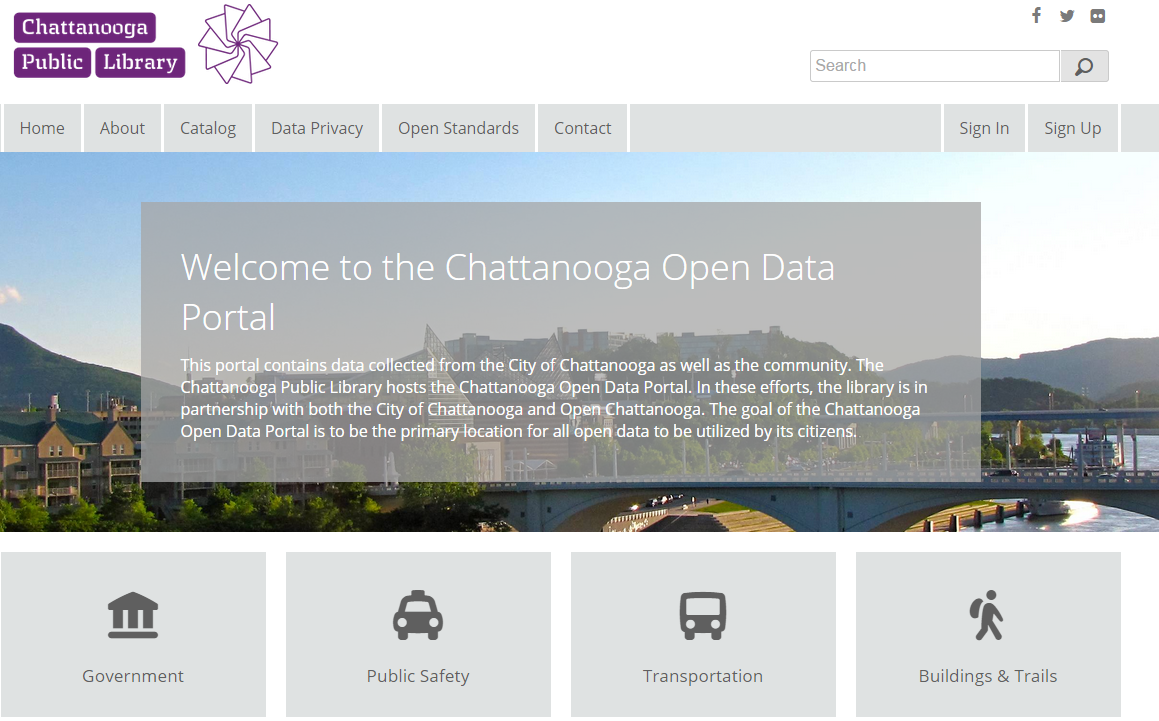
The Chattanooga Data Portal is an example of what can be done through a mayor’s executive power. Photo by Chattanooga Public Library.
Currently, interest in electing mayors appears to be minimal at best. According to research from the University of Wisconsin, voter turnout is low in local races as 21% of voting-age adults cast ballots for their local elections in 2011. As the long-term trajectory of many cities are now increasingly tied to the decisions made by their mayors, it will be important for people living in cities to become more engaged in selecting who gets to make those decisions in future elections.


Greg, I appreciate the continued education on how politics affects culture and community and beyond! Well said.
LikeLike
Thanks Kim! Eventually, I will touch on other areas in cities But, the politics will be a staple of what I cover. Like you said, it affects more than one area. I appreciate the feedback!
LikeLike