In Case You Missed It: April 9th, 2016
In the midst of busy schedules and attention-grabbing headlines, it can be easy to overlook some of the most interesting city-focused news stories in a given week. To catch up, take a look at a few of the stories that you may have missed for the week of April 9th, 2016.
Whole Foods 365: An affordable alternative to the traditional Whole Foods model. Photo by Whole Foods.
An Affordable Whole Foods?: With increasing competition from start-up chains, online meal delivery companies, and traditional grocery stores, Whole Foods has slowly lost a grip on the niche urban demographic of Millennials that the chain has owned for years. To regain traction, Whole Foods is launching “Whole Foods 365“, a new line of stores targeting urban markets with the promise of affordability. Learn more about Whole Foods 365, and the first 365 launch in Los Angeles at USA Today.
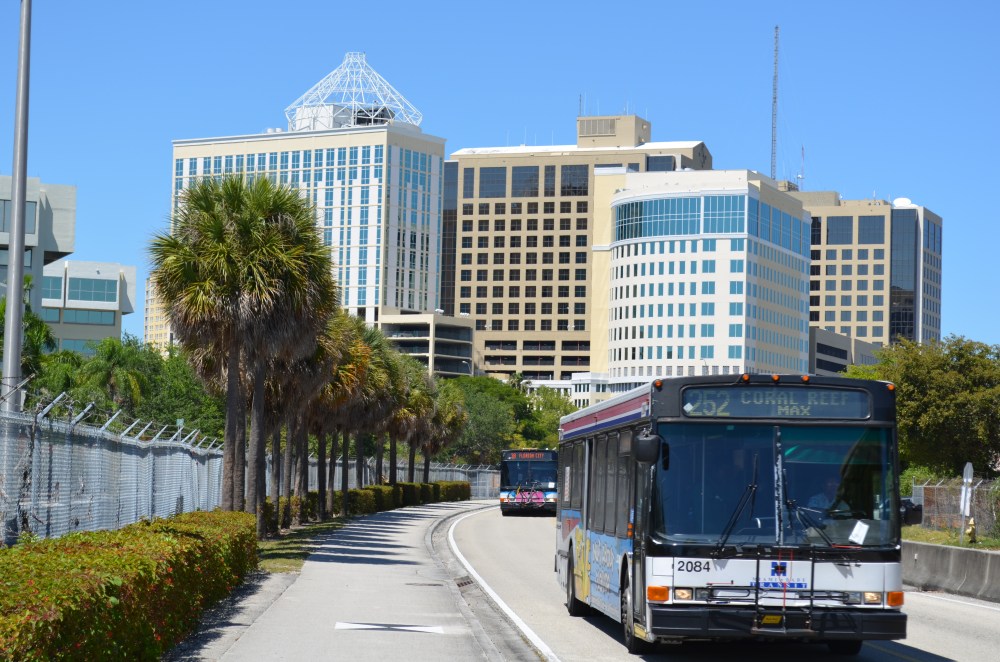
The debate between buses and trains may impact the future of public transit in Miami-Dade.
Buses v. Trains in Miami-Dade: In the public transit arena, buses and trains are often pitted against one another by riders who often swear by one method and loathe the other. But, as a current debate in Miami-Dade County shows, politicians are not afraid to voice their opinion on the subject either. While The Heart of a City will explore this topic in-depth at a later point, read a quick synopsis on the debate (and what it could mean for the future of transit in South Florida) at NextCity.

The Big Easy: A tourism and public spending leader? Photo by Ilya Grigorik available through CC BY-NC-SA 2.0 at http://www.flickr.com/photos/ig/5175670076
Stretching Your Tax Dollars: In an era where local governments are continuing to recover from the recession in 2008, it is vital that government officials maximize the impact of tax revenue collected from their residents. While not an all-inclusive list, WalletHub conducted an analysis of 78 large America cities and ranked New Orleans #1 in terms of efficient spending among cities in the study. See the rest of the rankings, and feedback from leading academics on fiscal challenges facing our cities, here.


 The Heart of a City