In Case You Missed It: April 9th, 2016

In the midst of busy schedules and attention-grabbing headlines, it can be easy to overlook some of the most interesting city-focused news stories in a given week. To catch up, take a look at a few of the stories that you may have missed for the week of April 9th, 2016.
365_WF_Logo_COLOR

Whole Foods 365: An affordable alternative to the traditional Whole Foods model. Photo by Whole Foods.

An Affordable Whole Foods?: With increasing competition from start-up chains, online meal delivery companies, and traditional grocery stores, Whole Foods has slowly lost a grip on the niche urban demographic of Millennials that the chain has owned for years. To regain traction, Whole Foods is launching “Whole Foods 365“, a new line of stores targeting urban markets with the promise of affordability. Learn more about Whole Foods 365, and the first 365 launch in Los Angeles at USA Today.
Dadeland_-edge_city-_from_busway

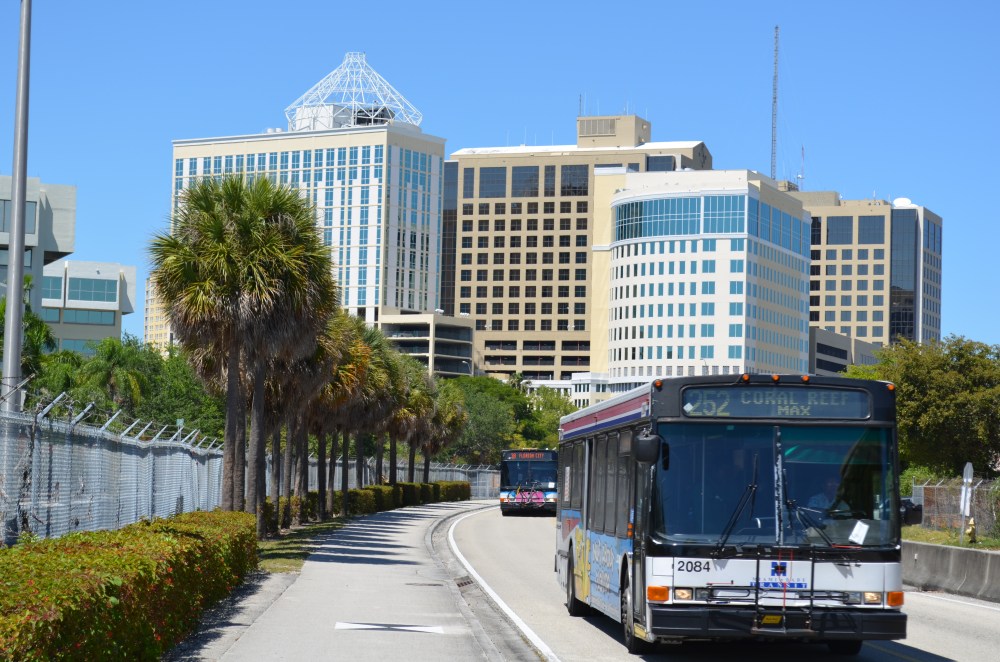
The debate between buses and trains may impact the future of public transit in Miami-Dade.

Buses v. Trains in Miami-Dade: In the public transit arena, buses and trains are often pitted against one another by riders who often swear by one method and loathe the other. But, as a current debate in Miami-Dade County shows, politicians are not afraid to voice their opinion on the subject either. While The Heart of a City will explore this topic in-depth at a later point, read a quick synopsis on the debate (and what it could mean for the future of transit in South Florida) at NextCity.

5175670076_72da19449a_b

The Big Easy: A tourism and public spending leader? Photo by Ilya Grigorik available through CC BY-NC-SA 2.0 at http://www.flickr.com/photos/ig/5175670076

Stretching Your Tax Dollars: In an era where local governments are continuing to recover from the recession in 2008, it is vital that government officials maximize the impact of tax revenue collected from their residents. While not an all-inclusive list, WalletHub conducted an analysis of 78 large America cities and ranked New Orleans #1 in terms of efficient spending among cities in the study. See the rest of the rankings, and feedback from leading academics on fiscal challenges facing our cities, here.
 

City on the Hook: St. Louis and the Bill for an NFL Stadium

OLYMPUS DIGITAL CAMERA

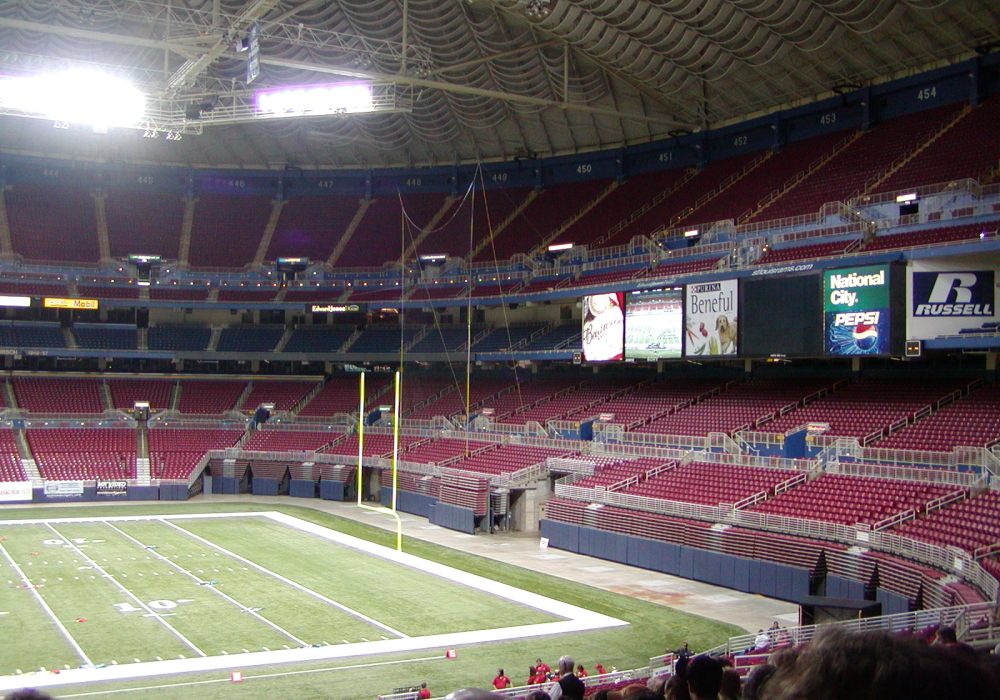
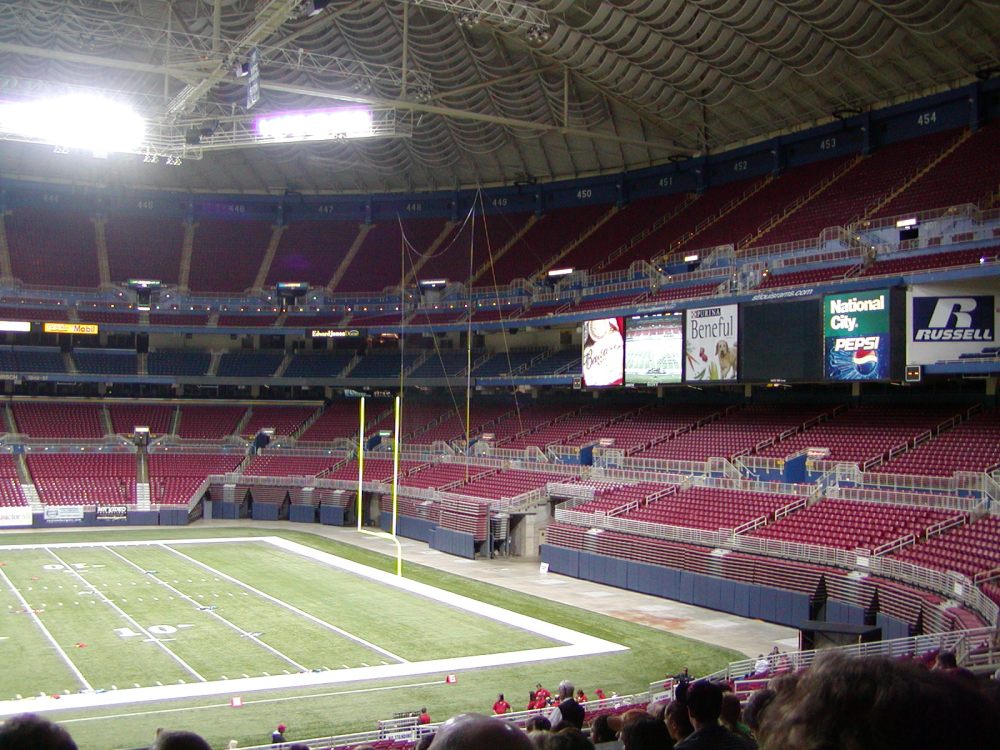
A empty stadium with a large price tag? Photo by William Wesen. Added to Public Domain by Appraiser

St. Louis served as a case study last year in a story on The Heart of a City that examined the dynamics of stadiums built for professional sports teams with taxpayer money. At the time, there were fears that the city’s beloved Rams would leave St. Louis and return back to Los Angeles, the franchise’s original home. However, considering the National Football League’s (NFL) relationship with nation’s second largest city, most fears from St. Louis fans seemed to be unfounded.

Yet, almost a year later, those unfounded fears have become reality. By a 30-2 vote of current NFL owners, the Rams were given approval to leave St. Louis for a move back to Los Angeles. While the immediate reactions have ranged from excitement to disappointment over the franchise’s move, the strongest sentiments may come during the next few years.

800px-Edward_Jones_Dome_KM

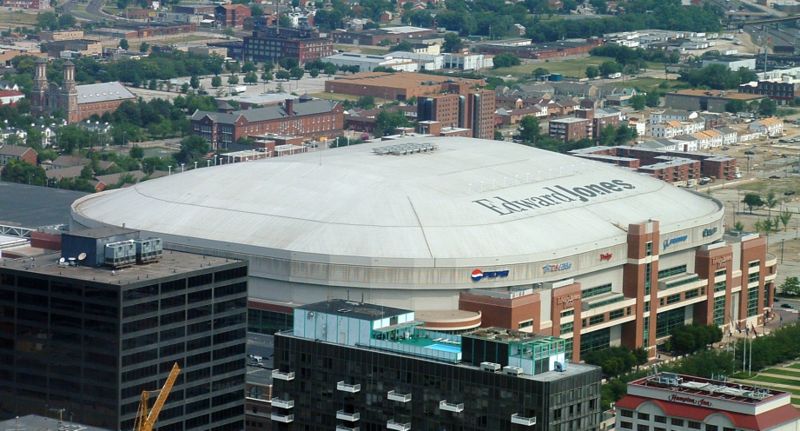
Edwards Jones Dome is without a major tenant since opening in 1995. Photo by Kelly Martin.

Opened in 1995, Edward James Dome served as the home for the Rams until the NFL vote this week. As a result, the Dome now is poised to sit empty until further notice as it appears that no NFL team will replace the Rams in the immediate future. Without a new NFL team, residents throughout the state of Missouri may be on the proverbial hook for the stadium’s bill.

As a part of the Edward James current financing structure, government bodies at the city, county, and state level are paying a combined $24 million a year to cover the cost of bonds sold to finance the stadium’s construction and maintenance. Without a tenant capable of producing revenue like the Rams housed at Edward James, the financial burden for government could increase significantly as there are five years and $129 million worth of payments remaining on the outstanding bonds. In light of the news that Rams owner Stan Kroenke is leading a Los Angeles stadium project  that will involve no government funding, the price tag left behind for taxpayers is staggering and marks a sad chapter for a place that was once home to the Greatest Show on Turf.


Governments and Stadium Deals: The Cost of Keeping a Team at Home

Should governments get involved in the retention of professional sports teams? If so, what does that look like? And, what are taxpayers willing to support in order keep their favorite team in town?

Edwards Jones Stadium could spark the next government-financed stadium in the United States. Photo by Kelly Martin.

Edwards Jones Stadium could spark the next government-financed stadium in the United States. Photo by Kelly Martin.

These are some of the questions surrounding the current stadium situation of the National Football League’s (NFL) St. Louis Rams. Last week, the owner of the Rams Stan Kroenke announced plans to construct an 80,000 seat stadium suitable to host a NFL team in Inglewood, California. In a normal situation, this would have raised eyebrows considering the NFL’s long-standing desire to move a franchise to the Los Angeles area. However, the announcement comes as a warning to Rams fans and government officials as the team (who moved from Los Angeles in 1995) prepares to enter into a year-to-year lease of their current home Edward Jones Stadium. As a result, many in St. Louis and Missouri are looking to their leaders in government to for a new stadium deal that would keep the team in town.

St. Louis would not be the first city to face a similar situation. In Miami, the Miami Marlins (formerly known as the Florida Marlins) played in Sun Life Stadium from 1993 to 2011. Originally designed to host football, Sun Life Stadium failed to meet the demands of Marlins ownership who wanted a baseball-only venue to call home. After a legal battle and successful lobbying effort, the Marlins moved to Marlins Park in 2012. Costing $639 million, Marlins Park was financed largely through taxpayer dollars.

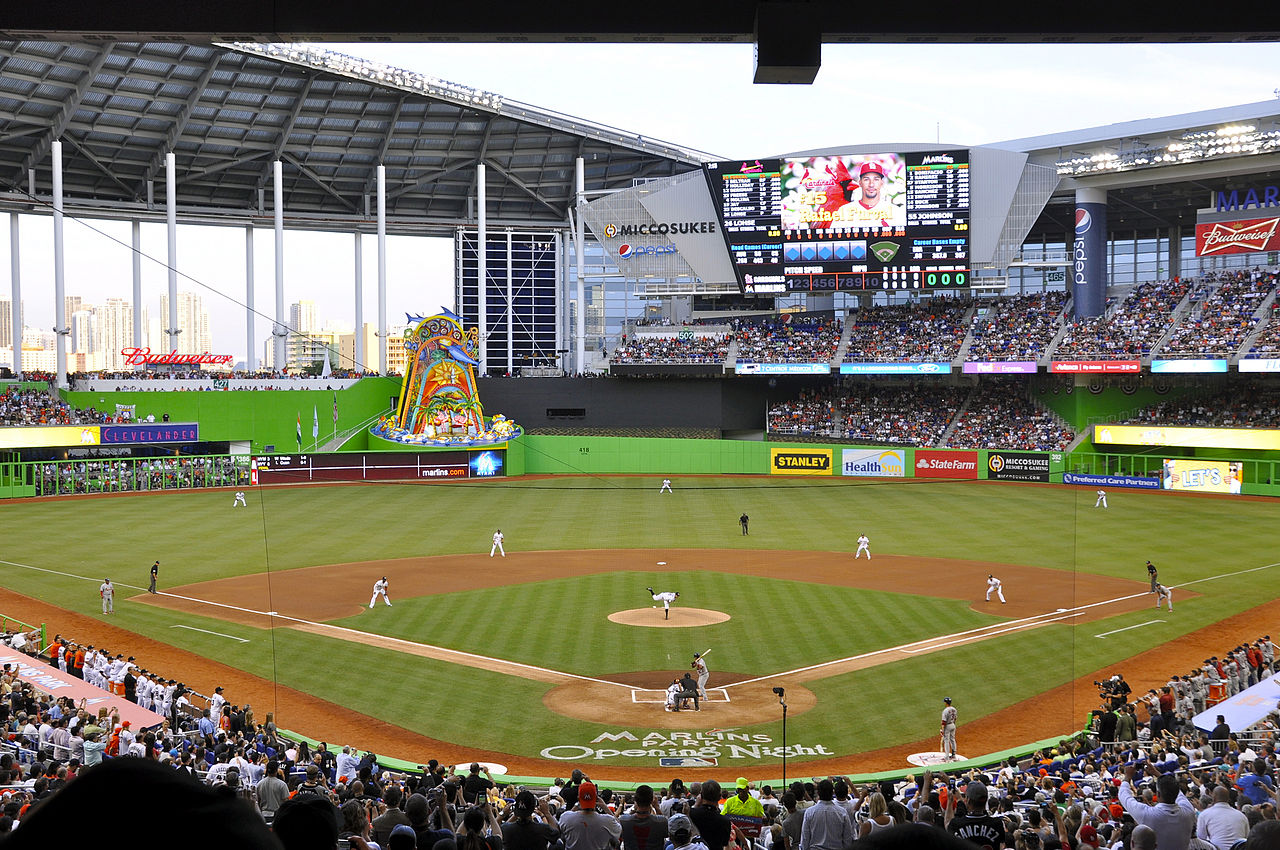
Once seen as an exciting investment, Marlins Park may be more of a burden to Miami taxpayers than desired. Photo by Roberto Coquis.

Once seen as an exciting investment, Marlins Park may be more of a burden to Miami taxpayers than desired. Photo by Roberto Coquis.

The outcome of the stadium has been mixed at best. After opening to great crowds early in 2012, the Marlins weathered through a public relations nightmare. A losing season combined with the release of several high priced players and comments from manager Ozzie Guillen praising Fidel Castro (a cultural taboo in the Cuban stronghold of South Florida) led to dismal attendance in 2013. Add in a financing scheme that leaves Miami-Dade taxpayers responsible for an additional $1.18 billion in payments by 2042, and Marlins Park could end up being one of the worst government-involved stadium deals in history.

So far, city and state officials have pledged to do all they can to keep the Rams in St. Louis without increasing the tax burden on taxpayers. Yet, an proposed deal could still include a public investment of up to $535 million if all sides agree. In an era of tight budgets and increased demands on public services, it remains to be seen if taxpayers are willing to support such an investment to keep a team once known as “Greatest Show on Turf” from starting a new chapter out in California.