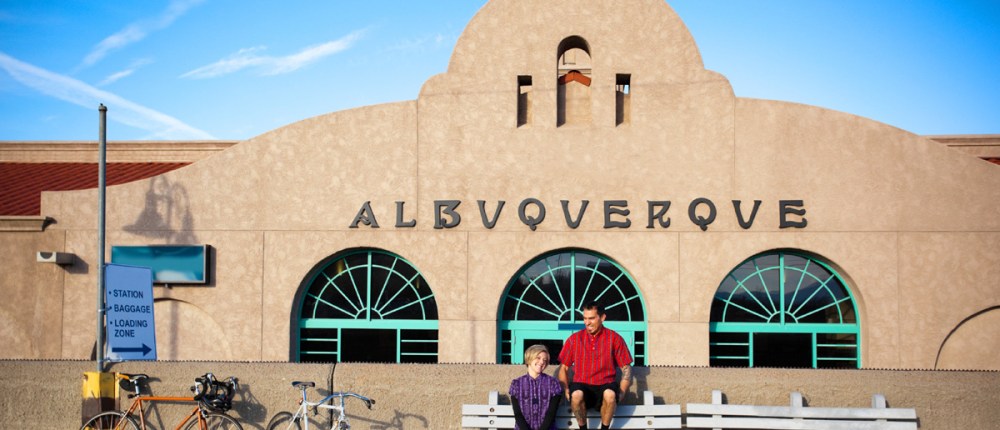
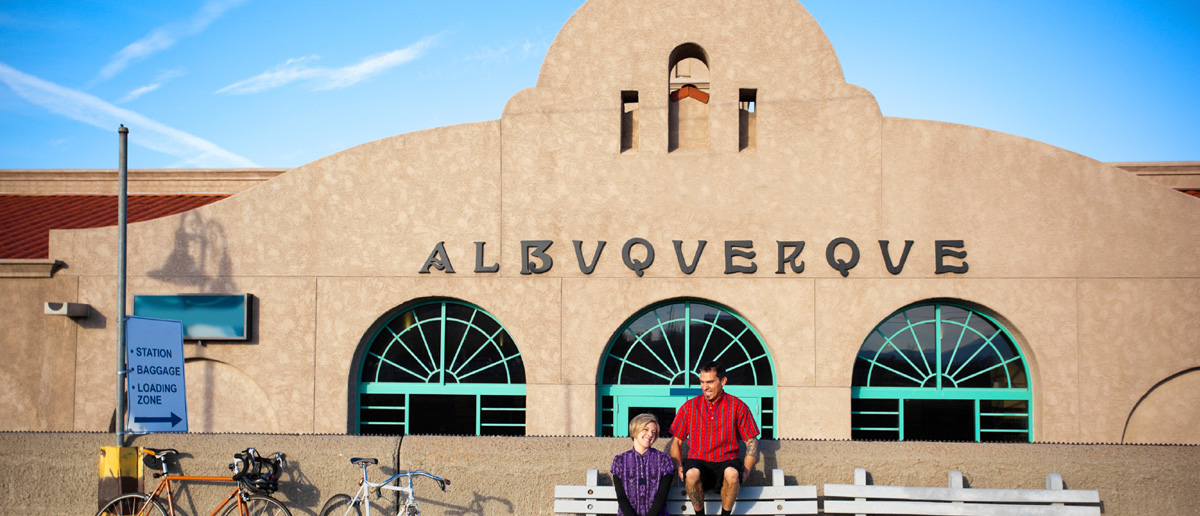
The unique dynamics of Albuquerque serve to draw countless people to the city each year. Photo Credit to the City of Albuquerque.
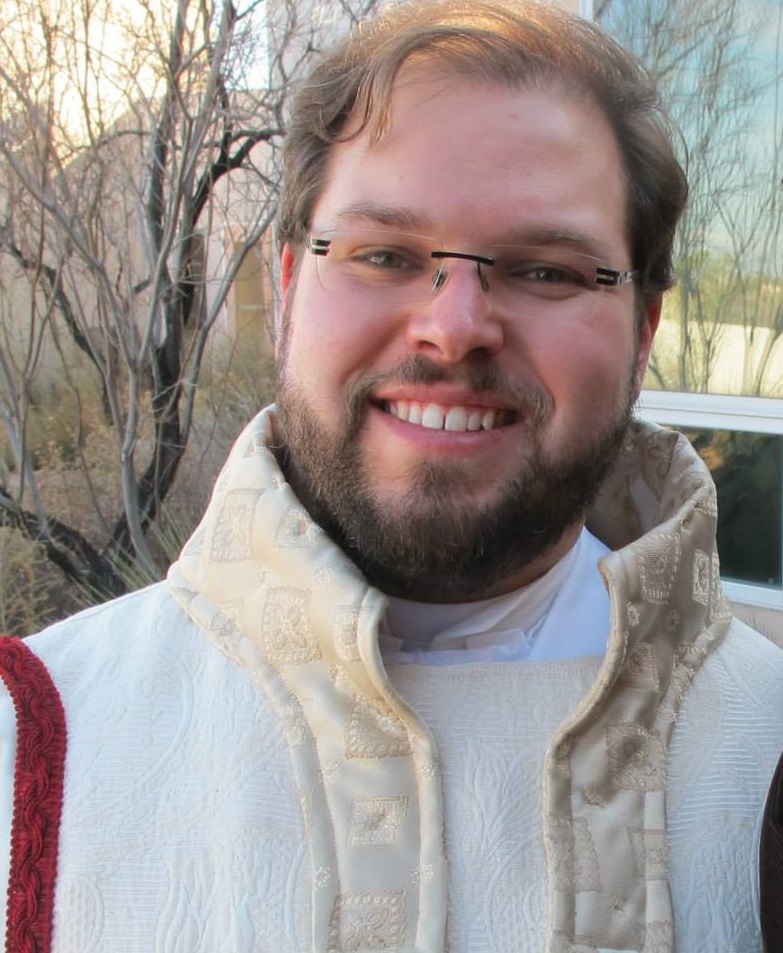
The MyCity Series provides a platform for city dwellers to speak about the places they call home. The first MyCity story is from Graham Golden. A first generation New Mexican, Graham called Albuquerque home for 22 years of his life. Now living in Chicago while he finishes graduate school, Graham provides a glimpse into the way one city can influence the way evaluate and embrace the dynamics in another city.
The three words that come to mind when he thinks of Albuquerque:
“Eclectic. Historic. Hopeful.”
The ways Albuquerque influences the way he sees Chicago:
“My time in Albuquerque impacted my assumptions around racial and social diversity in cities. Albuquerque is one continuous city where neighborhoods are connected to one another. There’s more of a ‘mixing’ between different groups of people. My experience with this dynamic in Albuquerque made me unsettled with the stark differences here in Chicago.”
“When I moved here, it felt foreign to me that there were literal boundaries that people wouldn’t cross in the city. Living in Hyde Park, I was struck that people didn’t feel comfortable going pass 63rd Street south of the University [of Chicago] or west of Cottage Grove. With perspectives like this, you could live your life in Chicago without a sense of the poverty present here. As a result, I’ve been intentional in going against the grain in the way I move around the city by crossing those boundaries throughout my time here.”
How Chicago will influence the way he relates to Albuquerque upon his return home after graduate school:
“Chicago will change the way I relate the history and culture in Albuquerque. I now see those aspects as civic values to uphold. It is easy to dismiss the city as a laid-back community. But, the real value of Albuquerque isn’t the economic or business innovation happening in the city. It is the way the city serves as a hub of expression for its citizens. With a city like Chicago striving to reclaim a sense of that vibrancy, I realize that Albuquerque already has that quality. I want to help Albuquerque hold on to this when I move back.”
His perspective on the qualities that make Albuquerque a unique city:
“What makes Albuquerque unique is similar to what makes New Mexico unique. There’s a ‘New Mexico Phenomenon’ concerning the reasons why people move there and stay there. People don’t move there for a sense of ambition or drive that you would find in people who move to Los Angeles or a Chicago. It’s rare to find people who see Albuquerque as a place for economic advancement. Instead, you find people who move here to find themselves. Through that, people are driven by different sense of what the ‘public good’ is in the city.
You see this in the ways people work to make the city hospitable to others. In the Old Town neighborhood, gentrification has been happening over the last few years. In response, people have come together to form the
Sawmill Community Land Trust to create a affordable housing community. Another example is the Barelas neighborhood. For years, it was known as a poor Hispanic community. To help boost things, the National Hispanic Cultural Center was built there and it sparked an response from the people in Barelas. Many people felt, ‘This Center was put here to celebrate our culture, but we can’t even afford to enjoy it.’ In response, the community has fought to get more engaged in projects coming into the area. As a result, Barelas residents now have a Community Benefits Agreement with the leaders of a community development project to ensure that they actually benefit from what is happening around them. These are just a couple examples of how people come together in Albuquerque to help one another regardless of the differences between them.”
 Graham Golden, O. Praem. Is a solemnly professed member of the Norbertine Community of Santa Maria de la Vid Abbey in Albuquerque New Mexico and a transitional deacon. He currently serves as the Coordinator of Program Development, Evaluation, and Research for the Catholic Foundation of the Archdiocese of Santa Fe where he guides the evolution of grass-root, parish-based anti-poverty initiatives in rural communities. Graham is a candidate in the Master of Divinity program with an emphasis in intercultural ministries at the Catholic Theological Union at Chicago. He also holds a Masters of Arts from the University of Chicago School of Social Service Administration focusing on social welfare policy and program development and evaluation.

![Historic Old Town Albuquerque. Photo by Jsweida (Own work) [CC-BY-SA-3.0 (http://creativecommons.org/licenses/by-sa/3.0)], via Wikimedia Commons.](https://theheartofacity.com/wp-content/uploads/2015/01/800px-san_felipe_de_neri_church_-_old_town_albuquerque_nm.jpg)
 The Heart of a City