The Healthy City: An Introduction

sdoh-main-banner

Social determinants of health: The keys to health in a city. Photo by the Centers for Disease Control.

Often, a person’s level of health is attributed to genetics and behavior choices. Decisions such as eating fruits and vegetables and learning the family history of chronic health conditions are seen as the keys to achieving a healthy lifestyle.

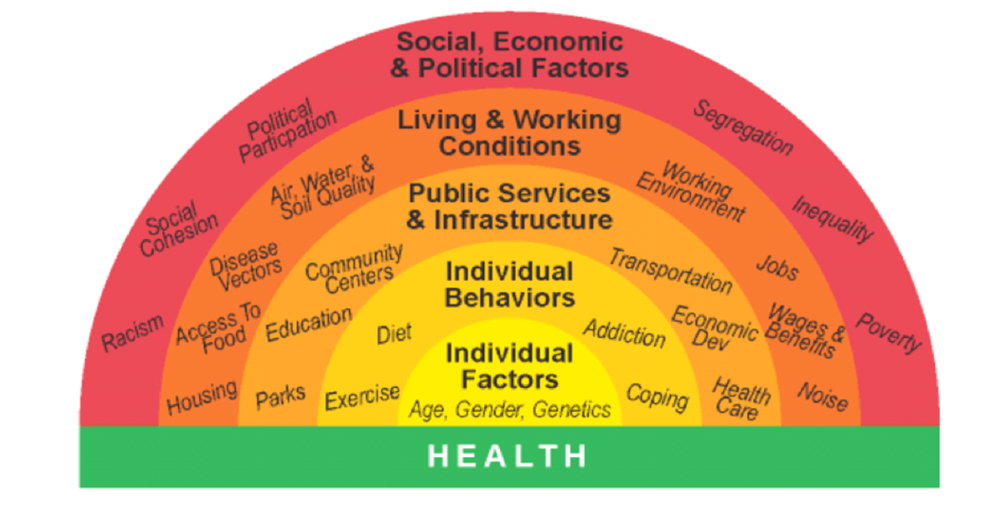
While these factors are critical, health is dictated by more than behavior and biology. Health is also shaped by factors known as social determinants of health. As defined by the Centers for Disease Control, social determinants of health are the:

conditions in the environments in which people are born, live, learn, work, play, worship, and age that affect a wide range of health, functioning, and quality-of-life outcomes and risks.

Oregon HIA OPHI SDOH

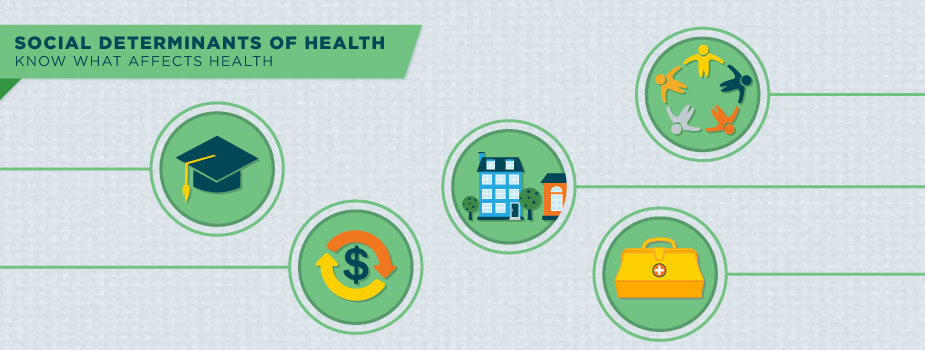
Social determinants work in conjunction with individual health factors and behaviors to shape a person’s health in a city. Photo by the Oregon Public Health Institute.

As the photo above illustrates, social determinants of health come in many varieties such as the:

  • Quality of local schools;
  • The amount healthy food options available;
  • Access to transportation;
  • Affordability of housing;
  • Poverty and inequality.
le-map-chicago

Even in a city like Chicago (with an average life expectancy of 77.8 years), life expectancy differs by as much as 16 years between neighborhoods located along CTA train stops. Photo by the Center on Society and Health at Virginia Commonwealth University.

With data showing that there is a link between having a high level of education and income with good health, and life expectancy differing across communities within the same city by as much as 20 years, it is important now more than ever that city leaders make social determinants of health a priority of their public health plans.

In the new series “The Healthy City”, The Heart of a City will explore how cities across the country are delving into the social determinant arena. By highlighting innovative initiatives and unique partnerships, the series will illustrate how a city is not only a place to live, but a place where health and wellness can be achieved by all. We invite you to join us as we explore The Healthy City.

City on the Hook: St. Louis and the Bill for an NFL Stadium

OLYMPUS DIGITAL CAMERA

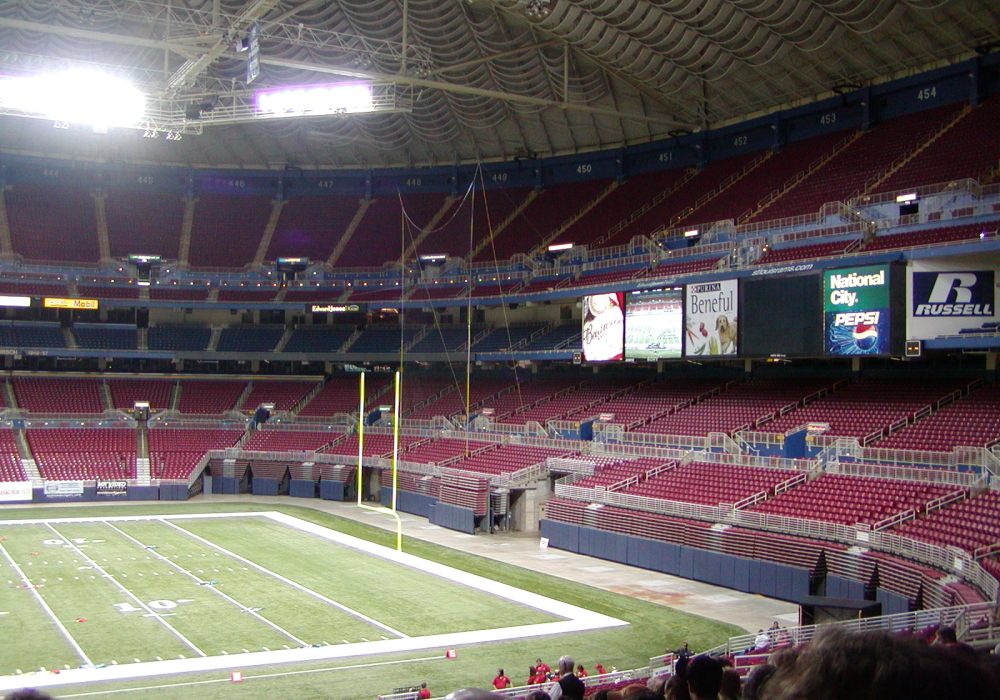
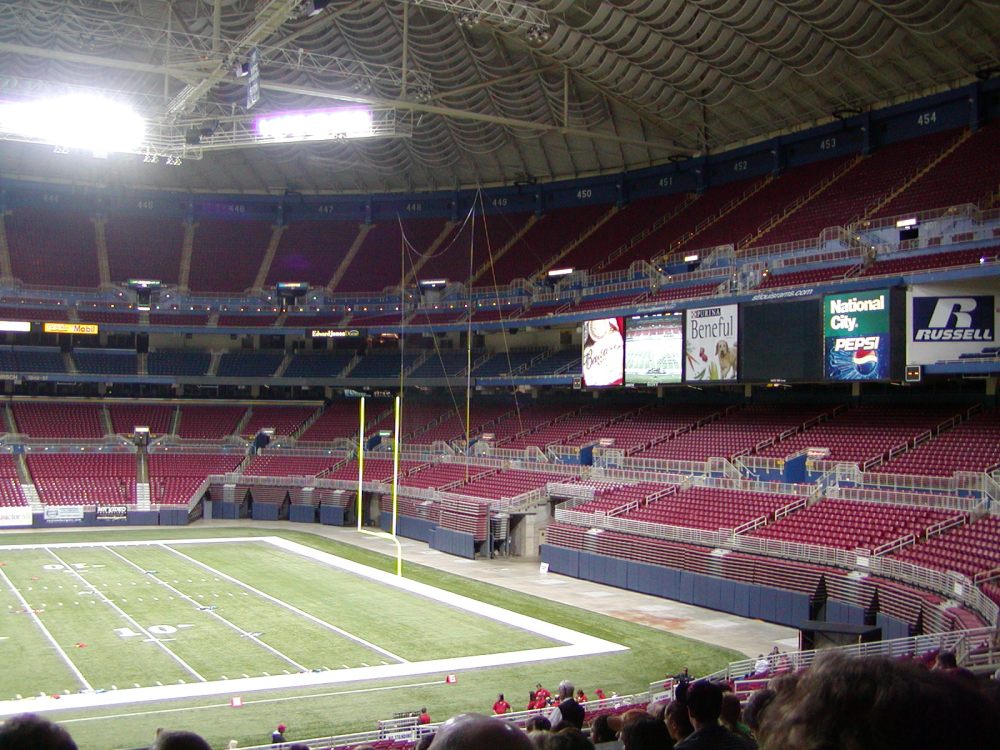
A empty stadium with a large price tag? Photo by William Wesen. Added to Public Domain by Appraiser

St. Louis served as a case study last year in a story on The Heart of a City that examined the dynamics of stadiums built for professional sports teams with taxpayer money. At the time, there were fears that the city’s beloved Rams would leave St. Louis and return back to Los Angeles, the franchise’s original home. However, considering the National Football League’s (NFL) relationship with nation’s second largest city, most fears from St. Louis fans seemed to be unfounded.

Yet, almost a year later, those unfounded fears have become reality. By a 30-2 vote of current NFL owners, the Rams were given approval to leave St. Louis for a move back to Los Angeles. While the immediate reactions have ranged from excitement to disappointment over the franchise’s move, the strongest sentiments may come during the next few years.

800px-Edward_Jones_Dome_KM

Edwards Jones Dome is without a major tenant since opening in 1995. Photo by Kelly Martin.

Opened in 1995, Edward James Dome served as the home for the Rams until the NFL vote this week. As a result, the Dome now is poised to sit empty until further notice as it appears that no NFL team will replace the Rams in the immediate future. Without a new NFL team, residents throughout the state of Missouri may be on the proverbial hook for the stadium’s bill.

As a part of the Edward James current financing structure, government bodies at the city, county, and state level are paying a combined $24 million a year to cover the cost of bonds sold to finance the stadium’s construction and maintenance. Without a tenant capable of producing revenue like the Rams housed at Edward James, the financial burden for government could increase significantly as there are five years and $129 million worth of payments remaining on the outstanding bonds. In light of the news that Rams owner Stan Kroenke is leading a Los Angeles stadium project  that will involve no government funding, the price tag left behind for taxpayers is staggering and marks a sad chapter for a place that was once home to the Greatest Show on Turf.


The Electric Bus: Sustainability in Chicago’s Public Transit

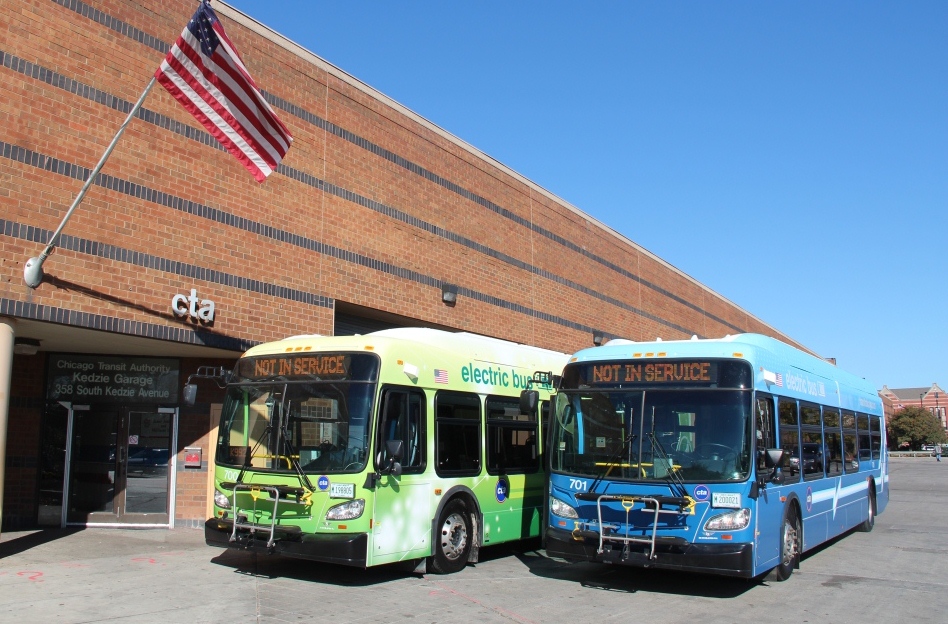
The two CTA-700 buses make the CTA the first major public transit system with all-electric buses in the county. Photo by the Chicago Transit Authority

The two CTA-700 buses make the CTA the first major public transit system with all-electric buses in the country. Photo by the Chicago Transit Authority.

Sustainability is a major area of focus in cities throughout the country. From climate action plans that reduce greenhouse gas emissions from government buildings, to bans on plastic bags at restaurants and grocery stores, sustainability initiatives have gained traction as city officials become more concerned about their local environments. Yet, an area of city life that has gone overlooked in the local sustainability movement is public transit.

In Chicago, sustainability in public transit has arrived through buses. Since October of 2014, the Chicago Transit Authority’s (CTA) fleet of vehicles has included two all-electric buses. Known as the CTA 700-series, the buses make the CTA the first major public transit system in the country to use all-electric buses in their daily operations.

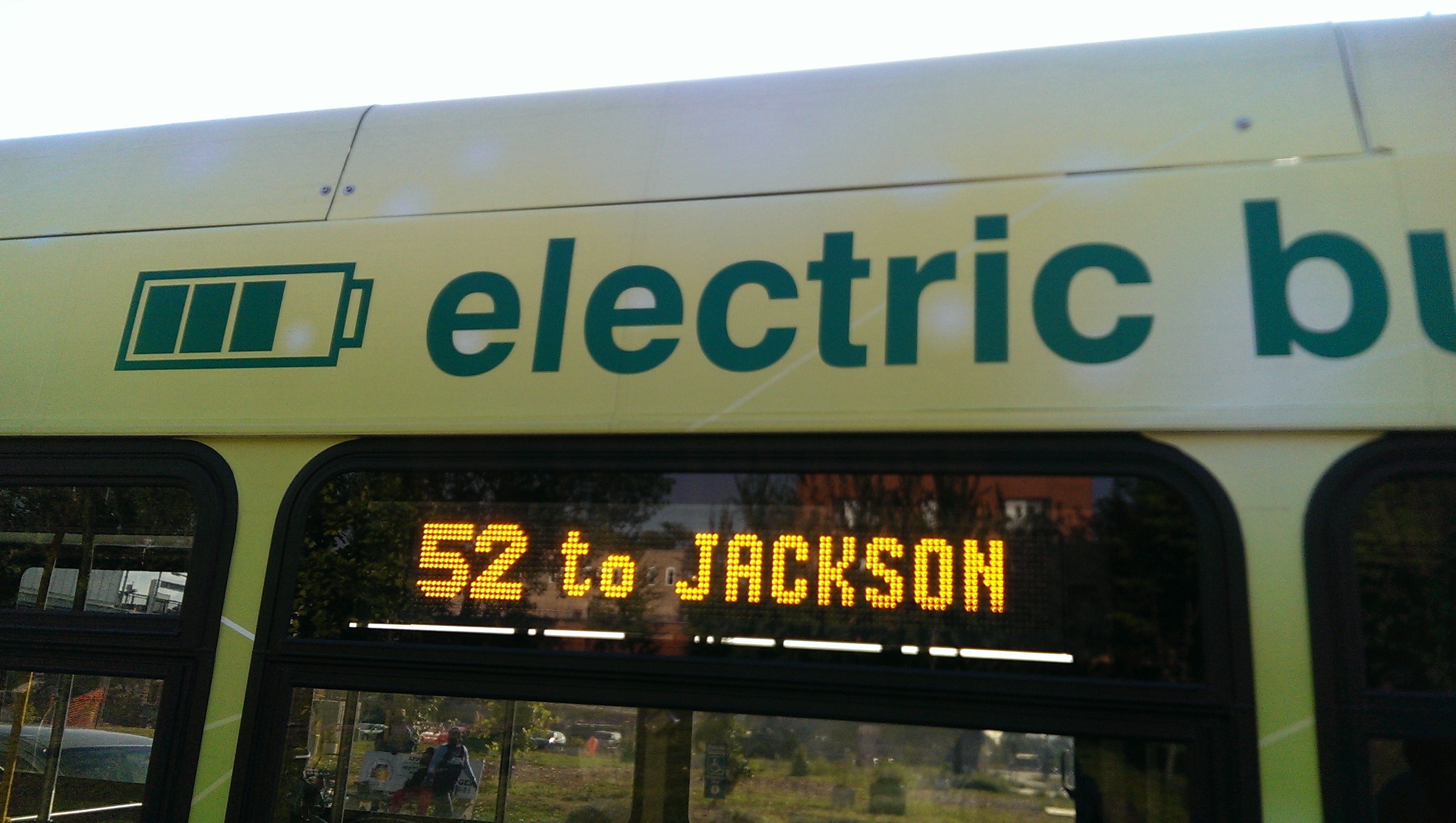
The CTA-700 buses are used across the city, including on Route 52, a route that takes riders through Northwest neighborhoods such as Logan Square to the heart of Chicago Lawn on the city's Southwest side. Photo by Gregory Hampton

The CTA-700 buses are used on routes such as Route 52, which takes riders through Northwest neighborhoods such as Logan Square to Chicago Lawn on the city’s Southwest side. Photo by Gregory Hampton.

Purchased through grant funding from the U.S Department of Transportation and the Chicago Metropolitan Agency for Planning, the electric buses are designed to save the city an average of $25,000 a year in fuel costs. In addition, each bus is expected to reduce carbon dioxide emissions by an average of 121 tons a year, which is the equivalent of emissions produced by 23 passenger vehicles (as calculated by an easy-to-use Emissions Calculator from the federal Department of Energy).

Even with the projected energy and emissions savings, the CTA has a long way to become the nation’s first public transit system completely dependent on all-electric buses. The two buses are just a snapshot of the 1,800 currently in the CTA fleet. In addition, plans for future CTA 700s may be dependent on data gathered from their performance in extreme weather conditions as a part of the CTA’s grant agreements. However, the buses are a major step in creating a more sustainable public transit system for the 2.7 million people that call the Windy City home.

How Generous is Your City?

Generosity (noun):

“the quality of being kind, understanding, and not selfish : the quality of being generous; especially : willingness to give money and other valuable things to others.” – Merriam Webster Dictionary

What does it look like for a city to be generous?

What does it look like for a city to be generous?

When we think of generosity, we often focus at the individual level. An employee contributes a portion of their paycheck to a United Way campaign. A young professional looks to give back by mentoring a teenager. A family opens their home to a neighbor facing a crisis.

But, what does generosity look like in a city? How do the actions of individuals, corporations, and organizations come together to make a city better? And, in what ways are cities developing creative and effective ways for their residents to give back?

These, and other questions, will be explored in The Heart of a City’s new series “How Generous is Your City?” Over the next few weeks, the will take a look at how generosity is defined at the city level. In addition, cities at the forefront of community service and philanthropy will be highlighted. Through the series, my hope is that we would all ask how we can be a part of making our own city a more generous place to live.

“Do all the good you can,
By all the means you can,
In all the ways you can,
In all the places you can,
At all the times you can,
To all the people you can,
As long as ever you can.”
— John Wesley, Letters of John Wesley

MyCity: Albuquerque

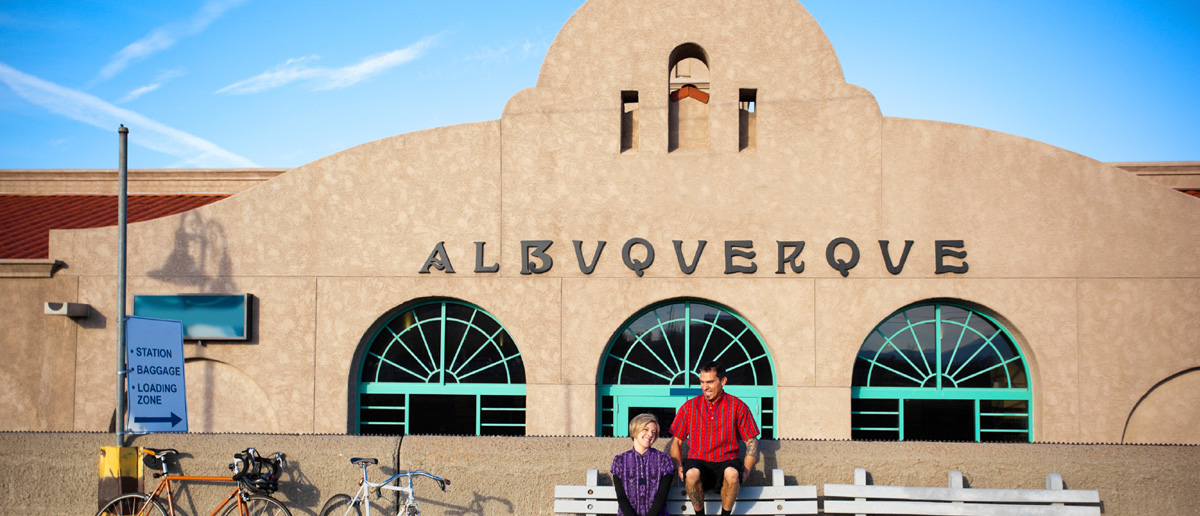
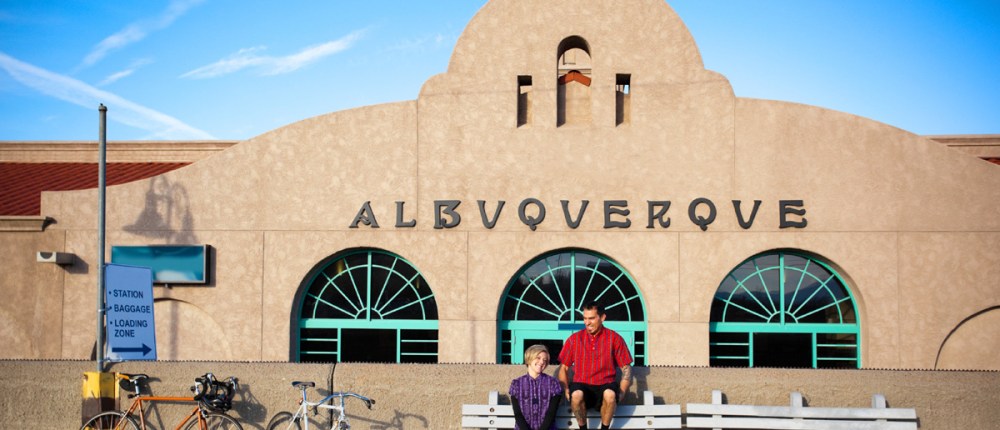
The unique dynamics of Albuquerque serve to draw countless people to the city each year. Photo Credit to the City of Albuquerque.

The unique dynamics of Albuquerque serve to draw countless people to the city each year. Photo Credit to the City of Albuquerque.

The MyCity Series provides a platform for city dwellers to speak about the places they call home. The first MyCity story is from Graham Golden. A first generation New Mexican, Graham called Albuquerque home for 22 years of his life. Now living in Chicago while he finishes graduate school, Graham provides a glimpse into the way one city can influence the way evaluate and embrace the dynamics in another city.

The three words that come to mind when he thinks of Albuquerque:

“Eclectic. Historic. Hopeful.”

The ways Albuquerque influences the way he sees Chicago:

“My time in Albuquerque impacted my assumptions around racial and social diversity in cities. Albuquerque is one continuous city where neighborhoods are connected to one another. There’s more of a ‘mixing’ between different groups of people. My experience with this dynamic in Albuquerque made me unsettled with the stark differences here in Chicago.”

“When I moved here, it felt foreign to me that there were literal boundaries that people wouldn’t cross in the city. Living in Hyde Park, I was struck that people didn’t feel comfortable going pass 63rd Street south of the University [of Chicago] or west of Cottage Grove. With perspectives like this, you could live your life in Chicago without a sense of the poverty present here. As a result, I’ve been intentional in going against the grain in the way I move around the city by crossing those boundaries throughout my time here.”

How Chicago will influence the way he relates to Albuquerque upon his return home after graduate school:

“Chicago will change the way I relate the history and culture in Albuquerque. I now see those aspects as civic values to uphold. It is easy to dismiss the city as a laid-back community. But, the real value of Albuquerque isn’t the economic or business innovation happening in the city. It is the way the city serves as a hub of expression for its citizens. With a city like Chicago striving to reclaim a sense of that vibrancy, I realize that Albuquerque already has that quality. I want to help Albuquerque hold on to this when I move back.”

His perspective on the qualities that make Albuquerque a  unique city:

“What makes Albuquerque unique is similar to what makes New Mexico unique. There’s a ‘New Mexico Phenomenon’ concerning the reasons why people move there and stay there. People don’t move there for a sense of ambition or drive that you would find in people who move to Los Angeles or a Chicago. It’s rare to find people who see Albuquerque as a place for economic advancement. Instead, you find people who move here to find themselves. Through that, people are driven by different sense of what the ‘public good’ is in the city.

Historic Old Town Albuquerque. Photo by  Jsweida (Own work) [CC-BY-SA-3.0 (http://creativecommons.org/licenses/by-sa/3.0)], via Wikimedia Commons.

Historic Old Town Albuquerque. Photo by Jsweida (Own work) [CC-BY-SA-3.0 (http://creativecommons.org/licenses/by-sa/3.0)%5D, via Wikimedia Commons.

You see this in the ways people work to make the city hospitable to others. In the Old Town neighborhood, gentrification has been happening over the last few years. In response, people have come together to form the Sawmill Community Land Trust to create a affordable housing community. Another example is the Barelas neighborhood. For years, it was known as a poor Hispanic community. To help boost things, the National Hispanic Cultural Center was built there and it sparked an response from the people in Barelas. Many people felt, ‘This Center was put here to celebrate our culture, but we can’t even afford to enjoy it.’ In response, the community has fought to get more engaged in projects coming into the area. As a result, Barelas residents now have a Community Benefits Agreement with the leaders of a community development project to ensure that they actually benefit from what is happening around them. These are just a couple examples of how people come together in Albuquerque to help one another regardless of the differences between them.”

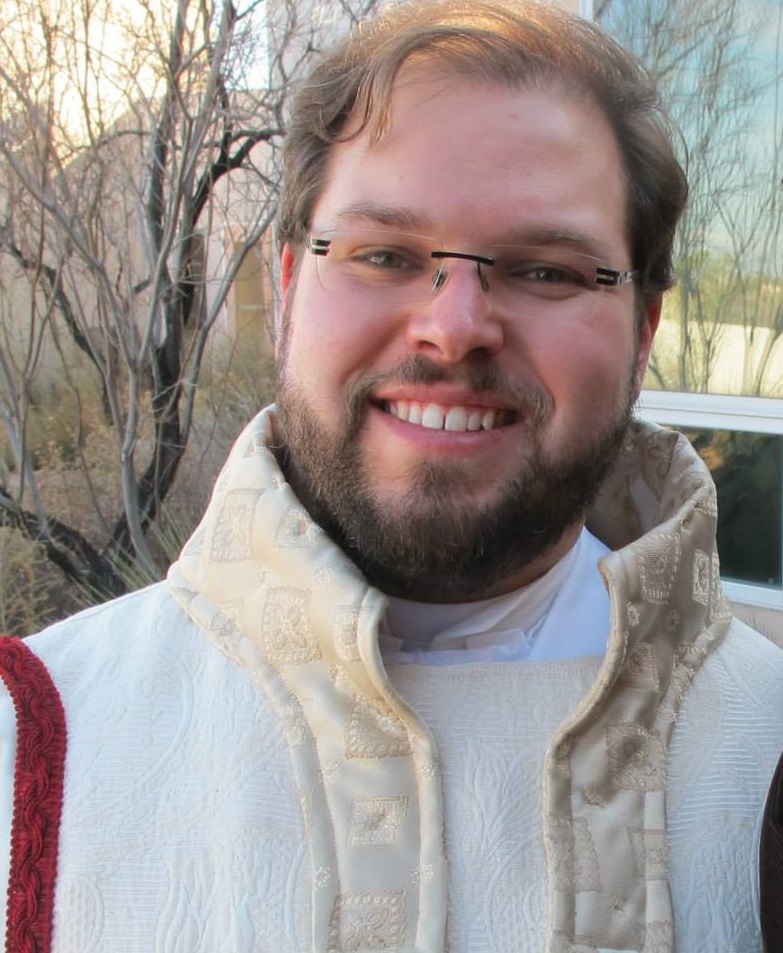
10869822_10152988783609078_8107520111419241898_oGraham Golden, O. Praem. Is a solemnly professed member of the Norbertine Community of Santa Maria de la Vid Abbey in Albuquerque New Mexico and a transitional deacon. He currently serves as the Coordinator of Program Development, Evaluation, and Research for the Catholic Foundation of the Archdiocese of Santa Fe where he guides the evolution of grass-root, parish-based anti-poverty initiatives in rural communities. Graham is a candidate in the Master of Divinity program with an emphasis in intercultural ministries at the Catholic Theological Union at Chicago. He also holds a Masters of Arts from the University of Chicago School of Social Service Administration focusing on social welfare policy and program development and evaluation.
Recognizing the Power of the Mayor

As Tuesday night illustrated, we devote a significant amount of time and attention in terms of political engagement to Congress and the White House. Considering the responsibility elected officials in Washington have to the more than 318 million residents living in the country, our interest level in the federal government makes sense.

Yet, our lives are impacted by more than debates and votes held by politicians in D.C. Local decisions also influence the way we live our lives. In many cities, the power to make those decisions rest with the mayor.

Prosperity NOLA, New Orleans’ first comprehensive development plan, was created in part to the efforts of Mayor Mitch Landieu. Photo by City of New Orleans.

While not all-inclusive, the following list provides a snapshot into the ways mayors throughout the United States shape the cities they lead:

  • In New York City, Mayor Bill de Blasio has the legal authority to appoint judges to the City’s Criminal and Family Law Court for a ten-year term;
  • In Charlotte, Mayor Daniel Clodfelte oversees a city-wide mentoring program designed to leverage the resources of over 50 mentoring groups that improve the lives of Charlotte’s youth;
  • In New Orleans, Mayor Mitch Landieu worked with business, university, and government leaders to create the New Orleans Business Alliance, an entity that established the first comprehensive development plan in the City’s history;
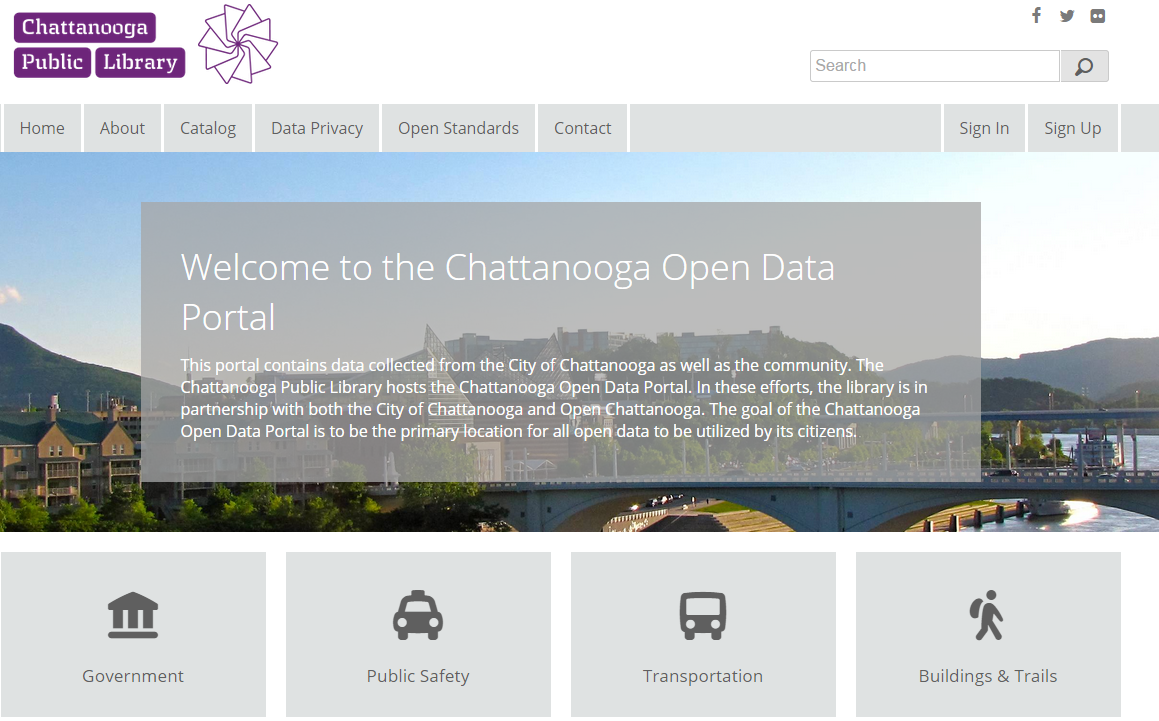
  • In Chattanooga, Mayor Andy Burke used his authority to issue an Executive Order that created an open data portal that provides a centralized place for residents to access information from their government; and
  • In cities such as Chicago (led by Mayor Rahm Emanuel) and Boston (led by Mayor Martin J. Walsh), the Mayor oversees the appointment of each member to the municipality’s school board.
The Chattanooga Data Portal is an example of what can be done through a mayor's executive power. Photo  by Chattanooga Public Library.

The Chattanooga Data Portal is an example of what can be done through a mayor’s executive power. Photo by Chattanooga Public Library.

Currently, interest in electing mayors appears to be minimal at best. According to research from the University of Wisconsin, voter turnout is low in local races as 21% of voting-age adults cast ballots for their local elections in 2011. As the long-term trajectory of many cities are now increasingly tied to the decisions made by their mayors, it will be important for people living in cities to become more engaged in selecting who gets to make those decisions in future elections.