In Case You Missed It: April 9th, 2016

In the midst of busy schedules and attention-grabbing headlines, it can be easy to overlook some of the most interesting city-focused news stories in a given week. To catch up, take a look at a few of the stories that you may have missed for the week of April 9th, 2016.

365_WF_Logo_COLOR

Whole Foods 365: An affordable alternative to the traditional Whole Foods model. Photo by Whole Foods.

An Affordable Whole Foods?: With increasing competition from start-up chains, online meal delivery companies, and traditional grocery stores, Whole Foods has slowly lost a grip on the niche urban demographic of Millennials that the chain has owned for years. To regain traction, Whole Foods is launching “Whole Foods 365“, a new line of stores targeting urban markets with the promise of affordability. Learn more about Whole Foods 365, and the first 365 launch in Los Angeles at USA Today.

Dadeland_-edge_city-_from_busway

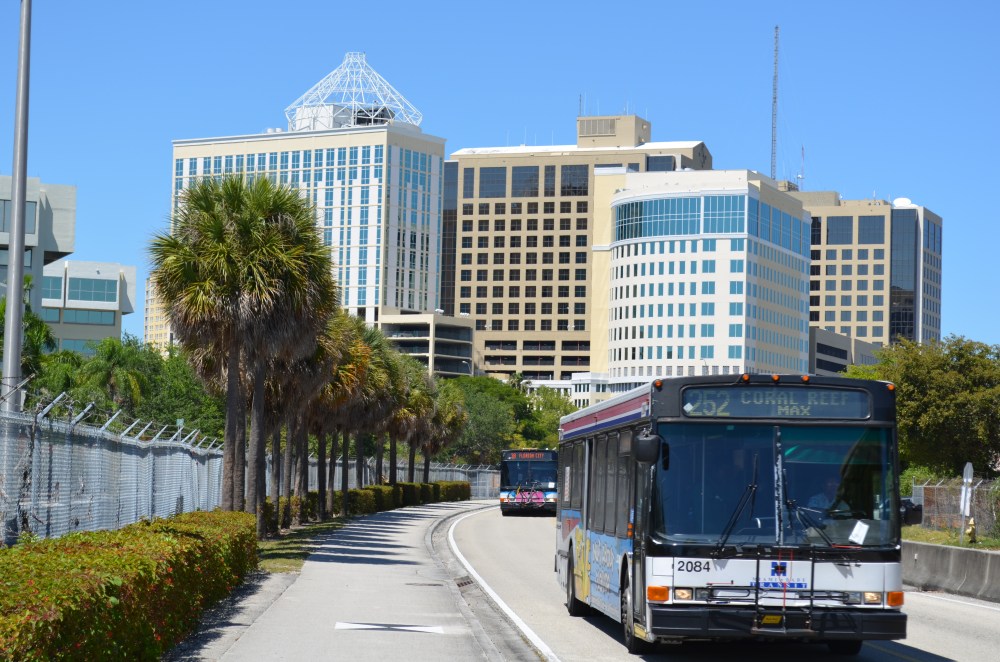
The debate between buses and trains may impact the future of public transit in Miami-Dade.

Buses v. Trains in Miami-Dade: In the public transit arena, buses and trains are often pitted against one another by riders who often swear by one method and loathe the other. But, as a current debate in Miami-Dade County shows, politicians are not afraid to voice their opinion on the subject either. While The Heart of a City will explore this topic in-depth at a later point, read a quick synopsis on the debate (and what it could mean for the future of transit in South Florida) at NextCity.

5175670076_72da19449a_b

The Big Easy: A tourism and public spending leader? Photo by Ilya Grigorik available through CC BY-NC-SA 2.0 at http://www.flickr.com/photos/ig/5175670076

Stretching Your Tax Dollars: In an era where local governments are continuing to recover from the recession in 2008, it is vital that government officials maximize the impact of tax revenue collected from their residents. While not an all-inclusive list, WalletHub conducted an analysis of 78 large America cities and ranked New Orleans #1 in terms of efficient spending among cities in the study. See the rest of the rankings, and feedback from leading academics on fiscal challenges facing our cities, here.


The Healthy City: An Introduction

sdoh-main-banner

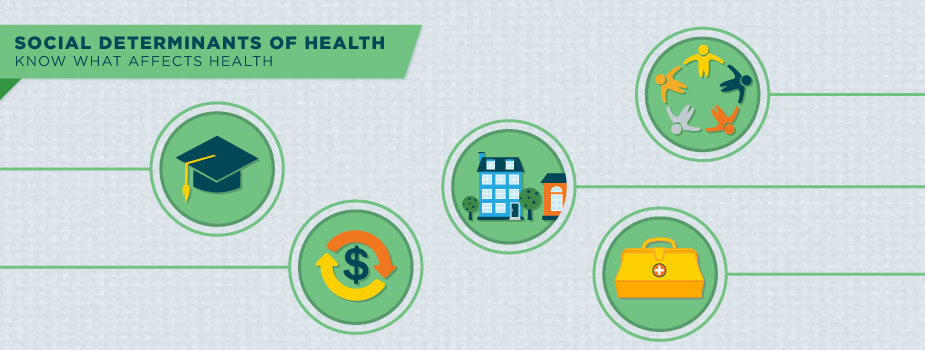
Social determinants of health: The keys to health in a city. Photo by the Centers for Disease Control.

Often, a person’s level of health is attributed to genetics and behavior choices. Decisions such as eating fruits and vegetables and learning the family history of chronic health conditions are seen as the keys to achieving a healthy lifestyle.

While these factors are critical, health is dictated by more than behavior and biology. Health is also shaped by factors known as social determinants of health. As defined by the Centers for Disease Control, social determinants of health are the:

conditions in the environments in which people are born, live, learn, work, play, worship, and age that affect a wide range of health, functioning, and quality-of-life outcomes and risks.

Oregon HIA OPHI SDOH

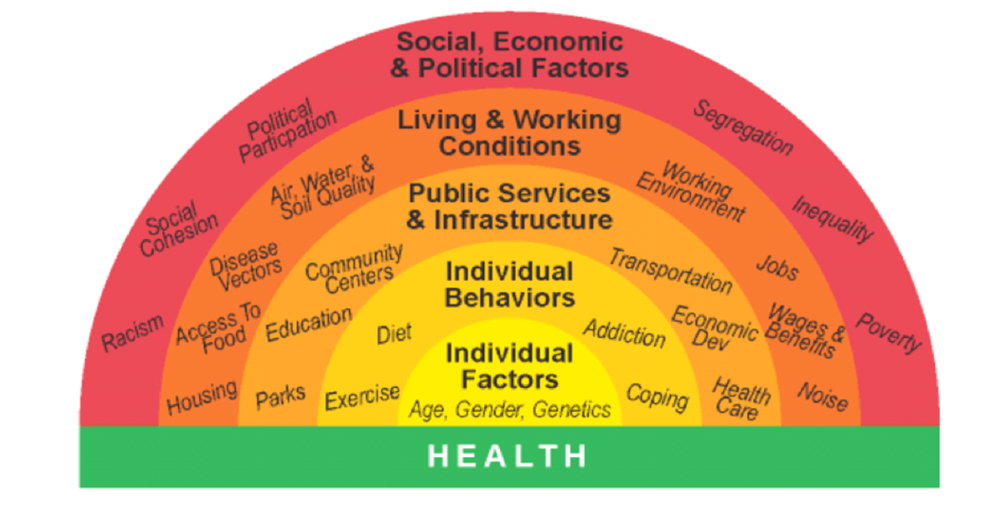
Social determinants work in conjunction with individual health factors and behaviors to shape a person’s health in a city. Photo by the Oregon Public Health Institute.

As the photo above illustrates, social determinants of health come in many varieties such as the:

  • Quality of local schools;
  • The amount healthy food options available;
  • Access to transportation;
  • Affordability of housing;
  • Poverty and inequality.
le-map-chicago

Even in a city like Chicago (with an average life expectancy of 77.8 years), life expectancy differs by as much as 16 years between neighborhoods located along CTA train stops. Photo by the Center on Society and Health at Virginia Commonwealth University.

With data showing that there is a link between having a high level of education and income with good health, and life expectancy differing across communities within the same city by as much as 20 years, it is important now more than ever that city leaders make social determinants of health a priority of their public health plans.

In the new series “The Healthy City”, The Heart of a City will explore how cities across the country are delving into the social determinant arena. By highlighting innovative initiatives and unique partnerships, the series will illustrate how a city is not only a place to live, but a place where health and wellness can be achieved by all. We invite you to join us as we explore The Healthy City.

How Generous is Your City?

Generosity (noun):

“the quality of being kind, understanding, and not selfish : the quality of being generous; especially : willingness to give money and other valuable things to others.” – Merriam Webster Dictionary

What does it look like for a city to be generous?

What does it look like for a city to be generous?

When we think of generosity, we often focus at the individual level. An employee contributes a portion of their paycheck to a United Way campaign. A young professional looks to give back by mentoring a teenager. A family opens their home to a neighbor facing a crisis.

But, what does generosity look like in a city? How do the actions of individuals, corporations, and organizations come together to make a city better? And, in what ways are cities developing creative and effective ways for their residents to give back?

These, and other questions, will be explored in The Heart of a City’s new series “How Generous is Your City?” Over the next few weeks, the will take a look at how generosity is defined at the city level. In addition, cities at the forefront of community service and philanthropy will be highlighted. Through the series, my hope is that we would all ask how we can be a part of making our own city a more generous place to live.

“Do all the good you can,
By all the means you can,
In all the ways you can,
In all the places you can,
At all the times you can,
To all the people you can,
As long as ever you can.”
— John Wesley, Letters of John Wesley

MyCity: Baton Rouge

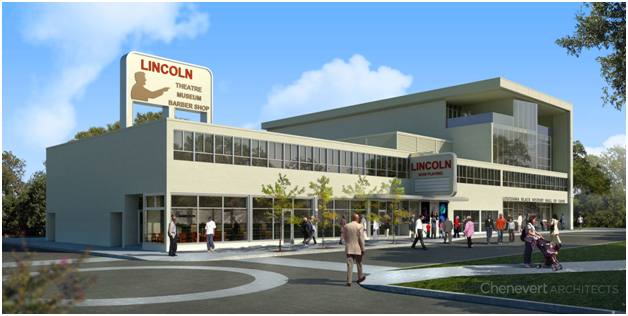
The Historic Lincoln Theater in Baton Rouge. Photo Credit to Chenevert Architects.

The Historic Lincoln Theater in Baton Rouge. Photo Credit to Chenevert Architects.

The next entry in our MyCity series is from Harold Dorrell Briscoe. A former community and economic development practitioner, Dorrell’s desire to get involved in public service led him to shape the revitalization of a major community in Baton Rouge, Louisiana.

“Since I was 16 years old, I dreamed of working in government and running for political office. For many years, I was very successful in the pursuit of that dream. I received my Bachelor of Arts in Political Science from the University of North Florida and an academic scholarship to attend the George H. W. Bush School of Government Public Service at Texas A&M University. I had the privilege of interacting with President Bush, various ambassadors, and distinguished faculty who have served this country and impacted the world. I graduated in May 2009 with a Masters degree in Public Administration.”

“I served as a project manager for the East Baton Rouge Redevelopment Authority (RDA) from 2009-2011. In that position, I oversaw the renovation process of the historic Lincoln Theater in Baton Rouge (a theater that Dr. Martin Luther King visited), the Land Banking program, and brought in over $2.5 million in one year through grants and tax credit programs.”

“While at the RDA my focus was on land banking in the revitalization of the Lincoln Theater. This process involved securing funding for revitalization, conducting environmental assessment of the property and surrounding area, create a design team, conduct a vicinity survey, and acquire real estate of surrounding area for further development. The RDA had special Authority from the Louisiana Legislature to expedite the process and quieting title to vacant and abandoned property in areas where economic and community improvement was badly needed. My role was to collect over 200 pieces of adjudicated property and lots, clear the title, and essentially give this property away to developers who were interested in revitalizing the area.”
After a massive fundraising and revitalization effort, the Lincoln Theater will reopen this weekend on Valentine's Day, Saturday, February 14th.

After a successful fundraising and revitalization effort, the Lincoln Theater will reopen this weekend on Valentine’s Day, Saturday, February 14th.

“The historic Lincoln Theater is strategically located to provide an economic and social stimulus within the Old South Baton Rouge community. Its’ structural integrity supports its candidacy for revitalization. However, identified environmental contaminates and dilapidation have revealed a need for complete renovation of the building and its surrounding area. The Louisiana Black History Hall of Fame (LBHHF) along with its acquired partners have requested financial assistance to complete the revitalization necessary to bring an iconic, historic building back to commerce.”
hdb2
Since his involvement in the project, the LBHHF and their partners completed a successful fundraising and renovation campaign and the Theater will reopen this weekend on Valentine’s Day, Saturday, February 14th. Currently living in Jacksonville, Florida, Dorrell, along with his wife Tracy, serves as the Young Professionals Pastor at Southpoint Community Church. Dorrell also is a Professor of Public Administration at the University of North Florida. For more information, visit Dorrell’s website.

MyCity: Albuquerque

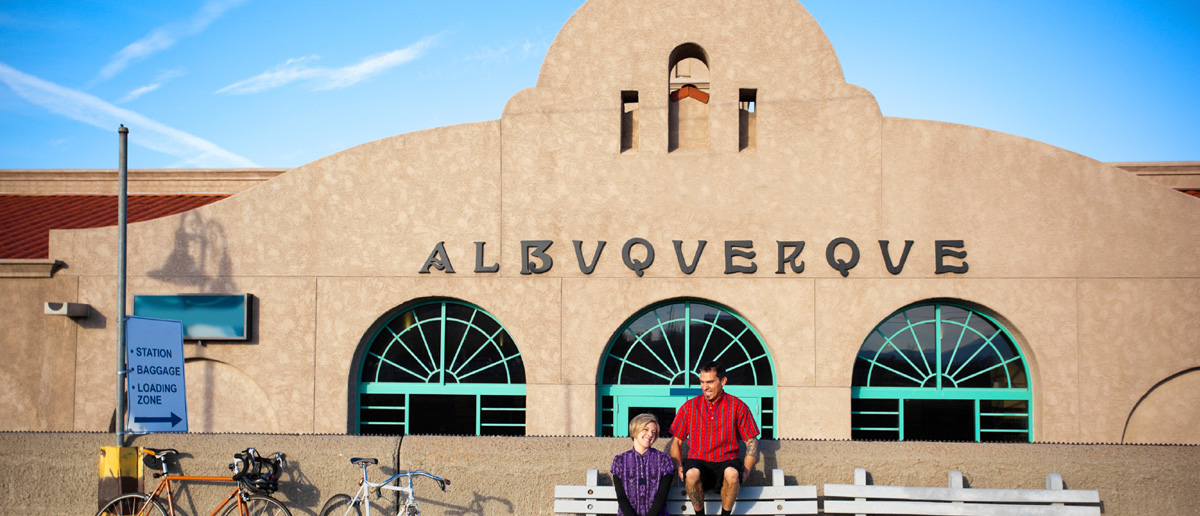
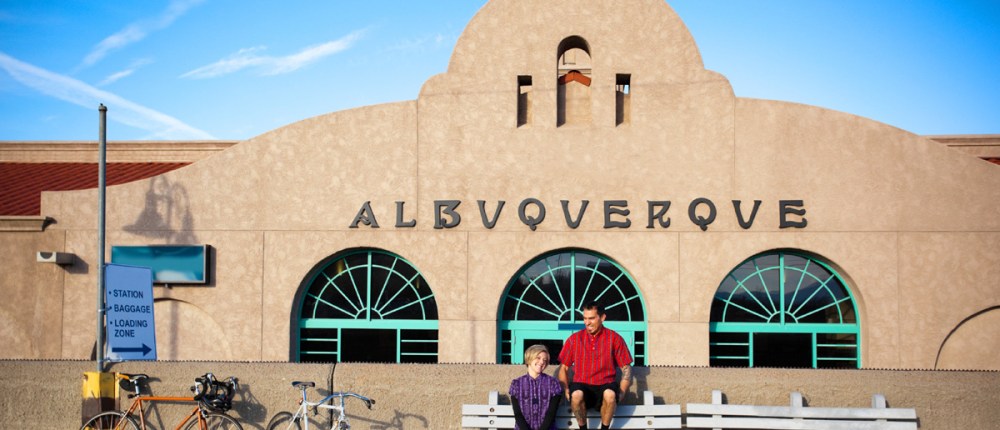
The unique dynamics of Albuquerque serve to draw countless people to the city each year. Photo Credit to the City of Albuquerque.

The unique dynamics of Albuquerque serve to draw countless people to the city each year. Photo Credit to the City of Albuquerque.

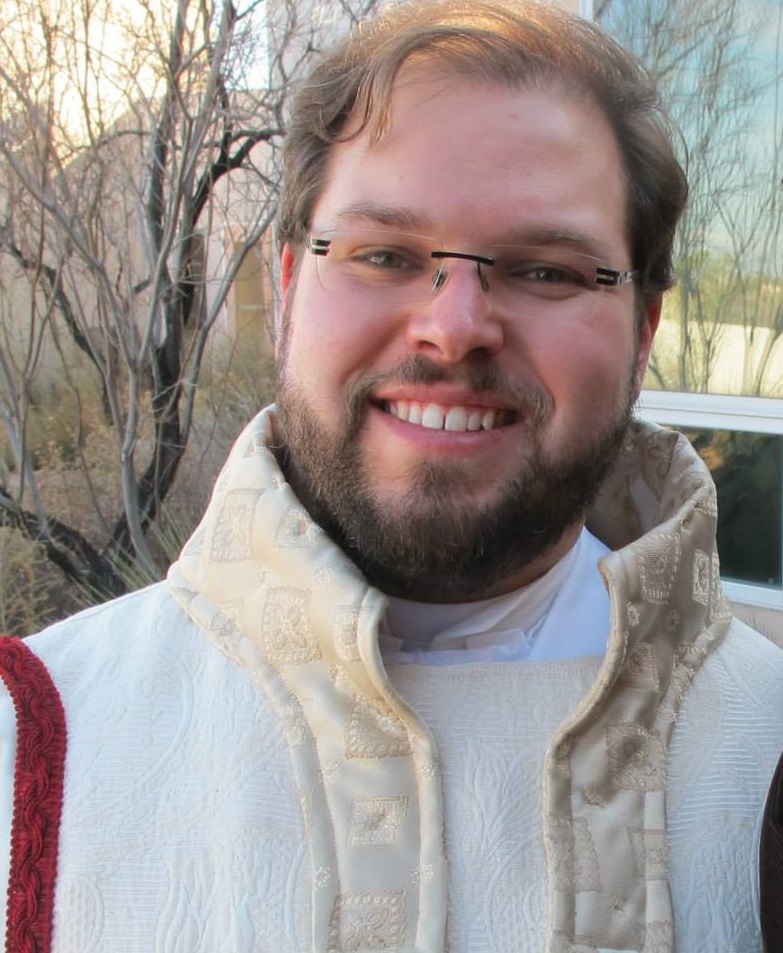
The MyCity Series provides a platform for city dwellers to speak about the places they call home. The first MyCity story is from Graham Golden. A first generation New Mexican, Graham called Albuquerque home for 22 years of his life. Now living in Chicago while he finishes graduate school, Graham provides a glimpse into the way one city can influence the way evaluate and embrace the dynamics in another city.

The three words that come to mind when he thinks of Albuquerque:

“Eclectic. Historic. Hopeful.”

The ways Albuquerque influences the way he sees Chicago:

“My time in Albuquerque impacted my assumptions around racial and social diversity in cities. Albuquerque is one continuous city where neighborhoods are connected to one another. There’s more of a ‘mixing’ between different groups of people. My experience with this dynamic in Albuquerque made me unsettled with the stark differences here in Chicago.”

“When I moved here, it felt foreign to me that there were literal boundaries that people wouldn’t cross in the city. Living in Hyde Park, I was struck that people didn’t feel comfortable going pass 63rd Street south of the University [of Chicago] or west of Cottage Grove. With perspectives like this, you could live your life in Chicago without a sense of the poverty present here. As a result, I’ve been intentional in going against the grain in the way I move around the city by crossing those boundaries throughout my time here.”

How Chicago will influence the way he relates to Albuquerque upon his return home after graduate school:

“Chicago will change the way I relate the history and culture in Albuquerque. I now see those aspects as civic values to uphold. It is easy to dismiss the city as a laid-back community. But, the real value of Albuquerque isn’t the economic or business innovation happening in the city. It is the way the city serves as a hub of expression for its citizens. With a city like Chicago striving to reclaim a sense of that vibrancy, I realize that Albuquerque already has that quality. I want to help Albuquerque hold on to this when I move back.”

His perspective on the qualities that make Albuquerque a  unique city:

“What makes Albuquerque unique is similar to what makes New Mexico unique. There’s a ‘New Mexico Phenomenon’ concerning the reasons why people move there and stay there. People don’t move there for a sense of ambition or drive that you would find in people who move to Los Angeles or a Chicago. It’s rare to find people who see Albuquerque as a place for economic advancement. Instead, you find people who move here to find themselves. Through that, people are driven by different sense of what the ‘public good’ is in the city.

Historic Old Town Albuquerque. Photo by  Jsweida (Own work) [CC-BY-SA-3.0 (http://creativecommons.org/licenses/by-sa/3.0)], via Wikimedia Commons.

Historic Old Town Albuquerque. Photo by Jsweida (Own work) [CC-BY-SA-3.0 (http://creativecommons.org/licenses/by-sa/3.0)%5D, via Wikimedia Commons.

You see this in the ways people work to make the city hospitable to others. In the Old Town neighborhood, gentrification has been happening over the last few years. In response, people have come together to form the Sawmill Community Land Trust to create a affordable housing community. Another example is the Barelas neighborhood. For years, it was known as a poor Hispanic community. To help boost things, the National Hispanic Cultural Center was built there and it sparked an response from the people in Barelas. Many people felt, ‘This Center was put here to celebrate our culture, but we can’t even afford to enjoy it.’ In response, the community has fought to get more engaged in projects coming into the area. As a result, Barelas residents now have a Community Benefits Agreement with the leaders of a community development project to ensure that they actually benefit from what is happening around them. These are just a couple examples of how people come together in Albuquerque to help one another regardless of the differences between them.”
10869822_10152988783609078_8107520111419241898_oGraham Golden, O. Praem. Is a solemnly professed member of the Norbertine Community of Santa Maria de la Vid Abbey in Albuquerque New Mexico and a transitional deacon. He currently serves as the Coordinator of Program Development, Evaluation, and Research for the Catholic Foundation of the Archdiocese of Santa Fe where he guides the evolution of grass-root, parish-based anti-poverty initiatives in rural communities. Graham is a candidate in the Master of Divinity program with an emphasis in intercultural ministries at the Catholic Theological Union at Chicago. He also holds a Masters of Arts from the University of Chicago School of Social Service Administration focusing on social welfare policy and program development and evaluation.