In Case You Missed It: April 9th, 2016

In the midst of busy schedules and attention-grabbing headlines, it can be easy to overlook some of the most interesting city-focused news stories in a given week. To catch up, take a look at a few of the stories that you may have missed for the week of April 9th, 2016.

365_WF_Logo_COLOR

Whole Foods 365: An affordable alternative to the traditional Whole Foods model. Photo by Whole Foods.

An Affordable Whole Foods?: With increasing competition from start-up chains, online meal delivery companies, and traditional grocery stores, Whole Foods has slowly lost a grip on the niche urban demographic of Millennials that the chain has owned for years. To regain traction, Whole Foods is launching “Whole Foods 365“, a new line of stores targeting urban markets with the promise of affordability. Learn more about Whole Foods 365, and the first 365 launch in Los Angeles at USA Today.
Dadeland_-edge_city-_from_busway

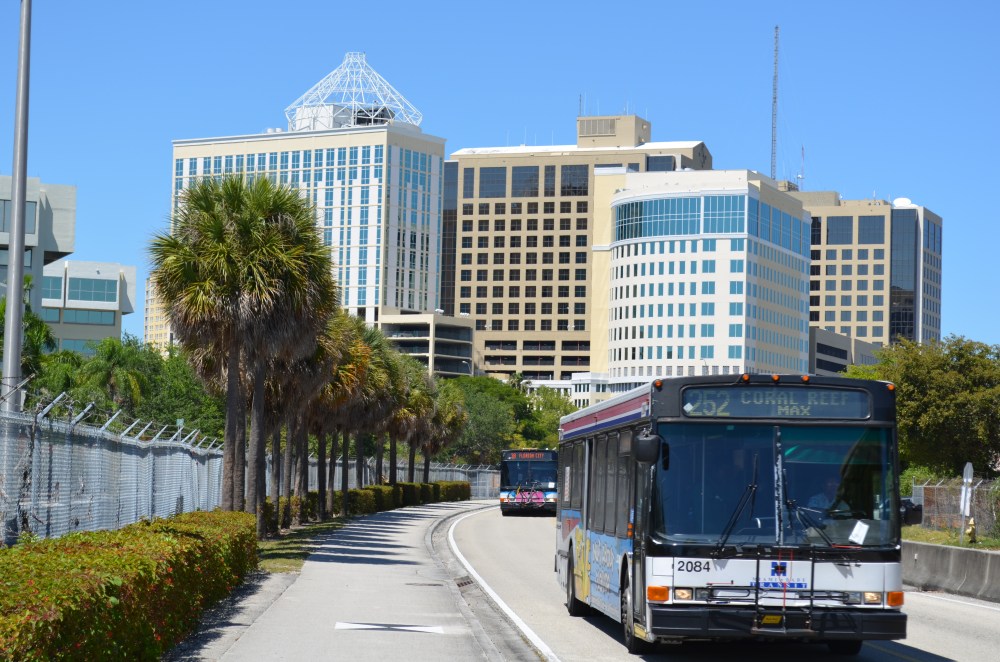
The debate between buses and trains may impact the future of public transit in Miami-Dade.

Buses v. Trains in Miami-Dade: In the public transit arena, buses and trains are often pitted against one another by riders who often swear by one method and loathe the other. But, as a current debate in Miami-Dade County shows, politicians are not afraid to voice their opinion on the subject either. While The Heart of a City will explore this topic in-depth at a later point, read a quick synopsis on the debate (and what it could mean for the future of transit in South Florida) at NextCity.

5175670076_72da19449a_b

The Big Easy: A tourism and public spending leader? Photo by Ilya Grigorik available through CC BY-NC-SA 2.0 at http://www.flickr.com/photos/ig/5175670076

Stretching Your Tax Dollars: In an era where local governments are continuing to recover from the recession in 2008, it is vital that government officials maximize the impact of tax revenue collected from their residents. While not an all-inclusive list, WalletHub conducted an analysis of 78 large America cities and ranked New Orleans #1 in terms of efficient spending among cities in the study. See the rest of the rankings, and feedback from leading academics on fiscal challenges facing our cities, here.
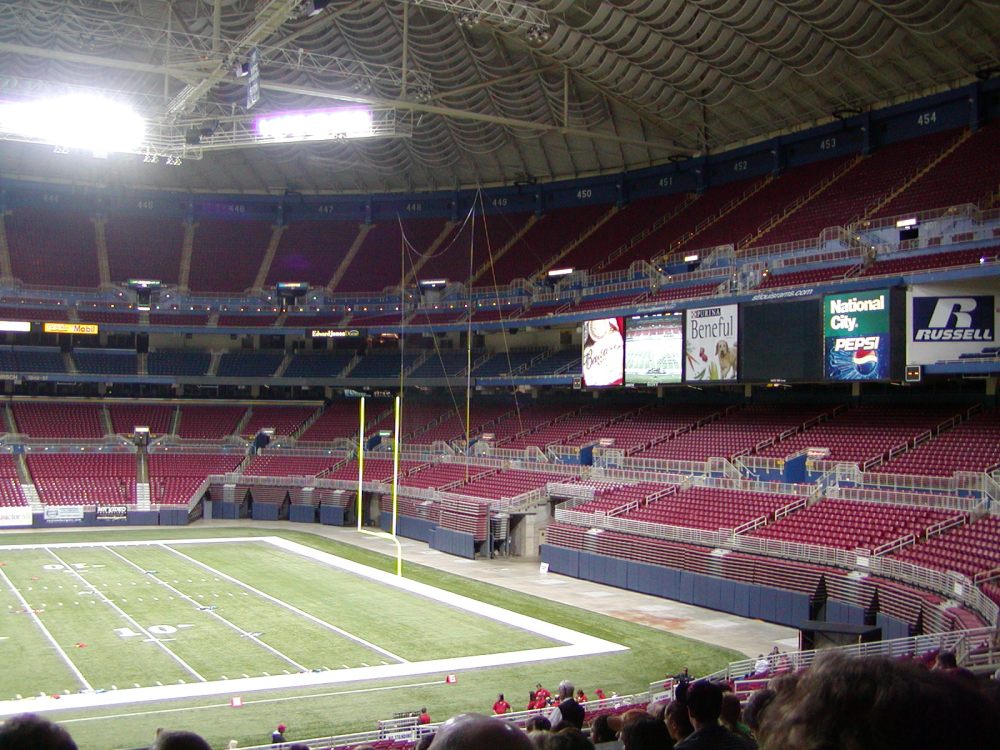
 

City on the Hook: St. Louis and the Bill for an NFL Stadium

OLYMPUS DIGITAL CAMERA

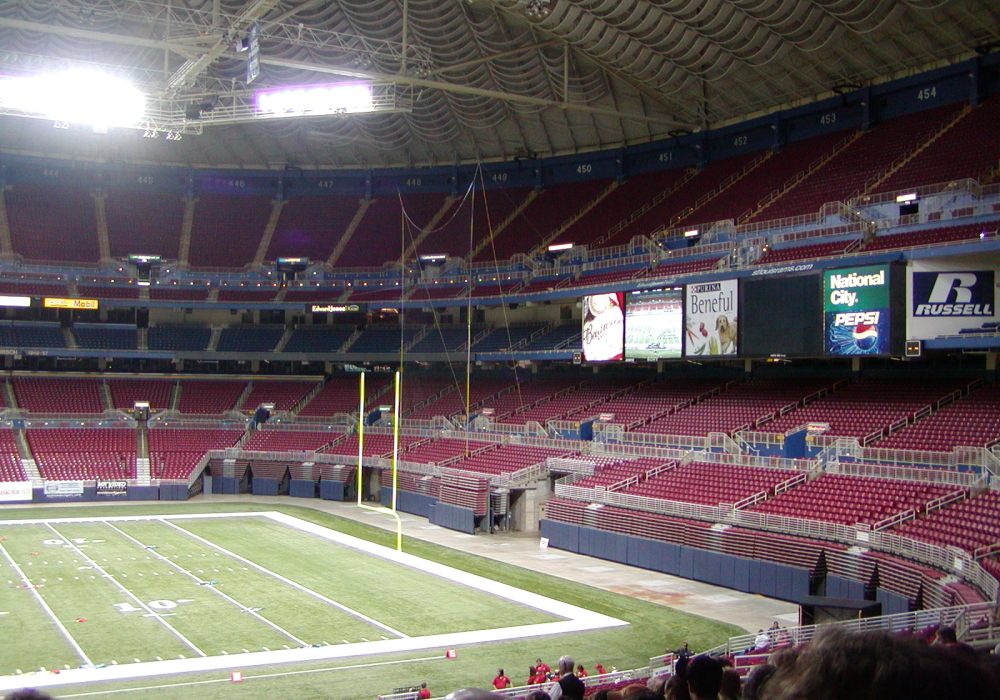
A empty stadium with a large price tag? Photo by William Wesen. Added to Public Domain by Appraiser

St. Louis served as a case study last year in a story on The Heart of a City that examined the dynamics of stadiums built for professional sports teams with taxpayer money. At the time, there were fears that the city’s beloved Rams would leave St. Louis and return back to Los Angeles, the franchise’s original home. However, considering the National Football League’s (NFL) relationship with nation’s second largest city, most fears from St. Louis fans seemed to be unfounded.

Yet, almost a year later, those unfounded fears have become reality. By a 30-2 vote of current NFL owners, the Rams were given approval to leave St. Louis for a move back to Los Angeles. While the immediate reactions have ranged from excitement to disappointment over the franchise’s move, the strongest sentiments may come during the next few years.

800px-Edward_Jones_Dome_KM

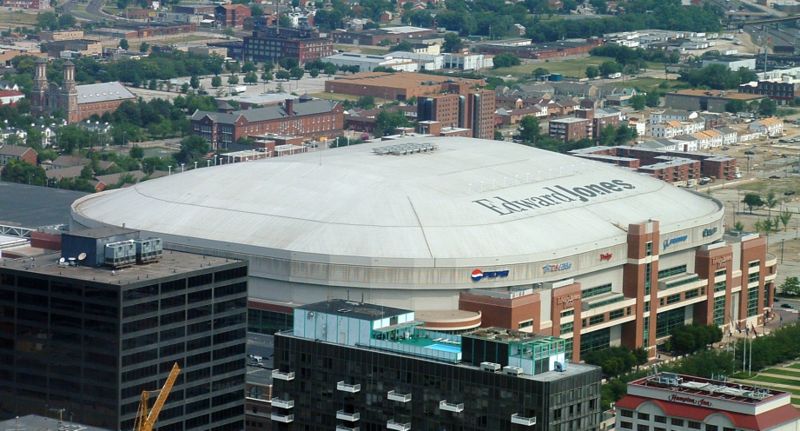
Edwards Jones Dome is without a major tenant since opening in 1995. Photo by Kelly Martin.

Opened in 1995, Edward James Dome served as the home for the Rams until the NFL vote this week. As a result, the Dome now is poised to sit empty until further notice as it appears that no NFL team will replace the Rams in the immediate future. Without a new NFL team, residents throughout the state of Missouri may be on the proverbial hook for the stadium’s bill.

As a part of the Edward James current financing structure, government bodies at the city, county, and state level are paying a combined $24 million a year to cover the cost of bonds sold to finance the stadium’s construction and maintenance. Without a tenant capable of producing revenue like the Rams housed at Edward James, the financial burden for government could increase significantly as there are five years and $129 million worth of payments remaining on the outstanding bonds. In light of the news that Rams owner Stan Kroenke is leading a Los Angeles stadium project  that will involve no government funding, the price tag left behind for taxpayers is staggering and marks a sad chapter for a place that was once home to the Greatest Show on Turf.


Second Chances at Dinner

11190067_885216111566967_2138130905_n

Café Momentum’s purpose is incorporated into every aspect of the restaurant, including the decor. Photo by Café Momentum.

All across the country, people ask themselves a series of questions as they make dinner plans.

“Should I get Italian food? Or Mexican food?”

“Can I make a reservation for this restaurant online?”

“Do I feel like grabbing something to-go? Or, should I dine in?”

But, what would happen if people asked themselves this question instead?

“How can my dinner choice help someone get a second chance today?”

In Dallas, Texas, Café Momemtum answers this question. As a nonprofit led by Executive Director and Chef Chad Houser, Café Momentum’s mission is to transform young lives by equipping at-risk youth with life skills, education and employment opportunities to help them achieve their full potential. To accomplish this mission, Café Momentum works with the Dallas County Juvenile Justice Department to link incarcerated youth at high-risk of re-offending to an paid culinary training intersnhip. Through the internship, the youth learn about each aspect of restaurant operations while serving the larger Dallas community at dinner time.

Café Momentum's internship allows youth to learn important culinary skills, such as food preparation, during their time at the restaurant. Photo by Café Momentum.

Café Momentum’s internship allows youth to learn important culinary skills, such as food preparation, during their time at the restaurant. Photo by Café Momentum.

Since opening in January with 50 interns, Café Momentum has been a success. Locally, Yelp reviewers note that the combination of affordable, upscale food with a social mission make the restaurant a highlight in Dallas’s dining scene. Food critics agree, as Café Momentum was named the “Best New Restaurant” in Dallas for 2015.

A wide range of affordable, upscale menu options have helped Café Momentum become one of the best restaurants in Dallas since opening in January. Photo by Café Momentum.

A wide range of affordable, upscale menu options have helped Café Momentum become one of the best restaurants in Dallas since opening in January. Photo by Café Momentum.

Nationally, Cafe Momentum’s model has drawn attention from a wide range of outlets including The Chew, ABC’s daytime food and lifestyle show. In addition, Cafe Momentum is a Youth Opportunity Fund grant recipient. Awarded by the Citi Foundation and America’s Promise Alliance, the $250,000 grant will allow Cafe Momentum to provide internships to 250 youth over the next year. With this, and other forms of support, Cafe Momentum is well on its way to providing a dining experience that changes the lives of countless youth throughout the years to come.

The Electric Bus: Sustainability in Chicago’s Public Transit

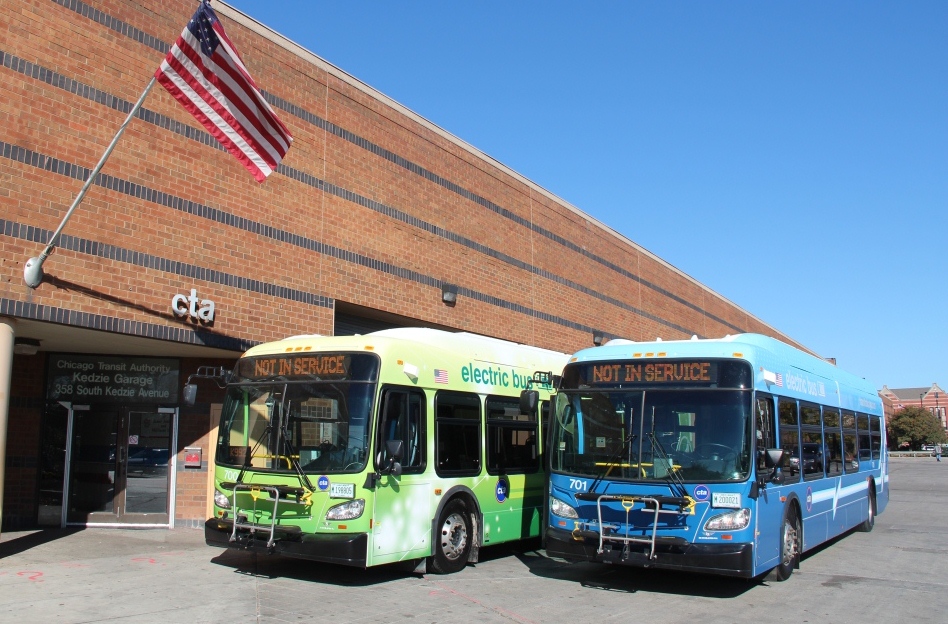
The two CTA-700 buses make the CTA the first major public transit system with all-electric buses in the county. Photo by the Chicago Transit Authority

The two CTA-700 buses make the CTA the first major public transit system with all-electric buses in the country. Photo by the Chicago Transit Authority.

Sustainability is a major area of focus in cities throughout the country. From climate action plans that reduce greenhouse gas emissions from government buildings, to bans on plastic bags at restaurants and grocery stores, sustainability initiatives have gained traction as city officials become more concerned about their local environments. Yet, an area of city life that has gone overlooked in the local sustainability movement is public transit.

In Chicago, sustainability in public transit has arrived through buses. Since October of 2014, the Chicago Transit Authority’s (CTA) fleet of vehicles has included two all-electric buses. Known as the CTA 700-series, the buses make the CTA the first major public transit system in the country to use all-electric buses in their daily operations.

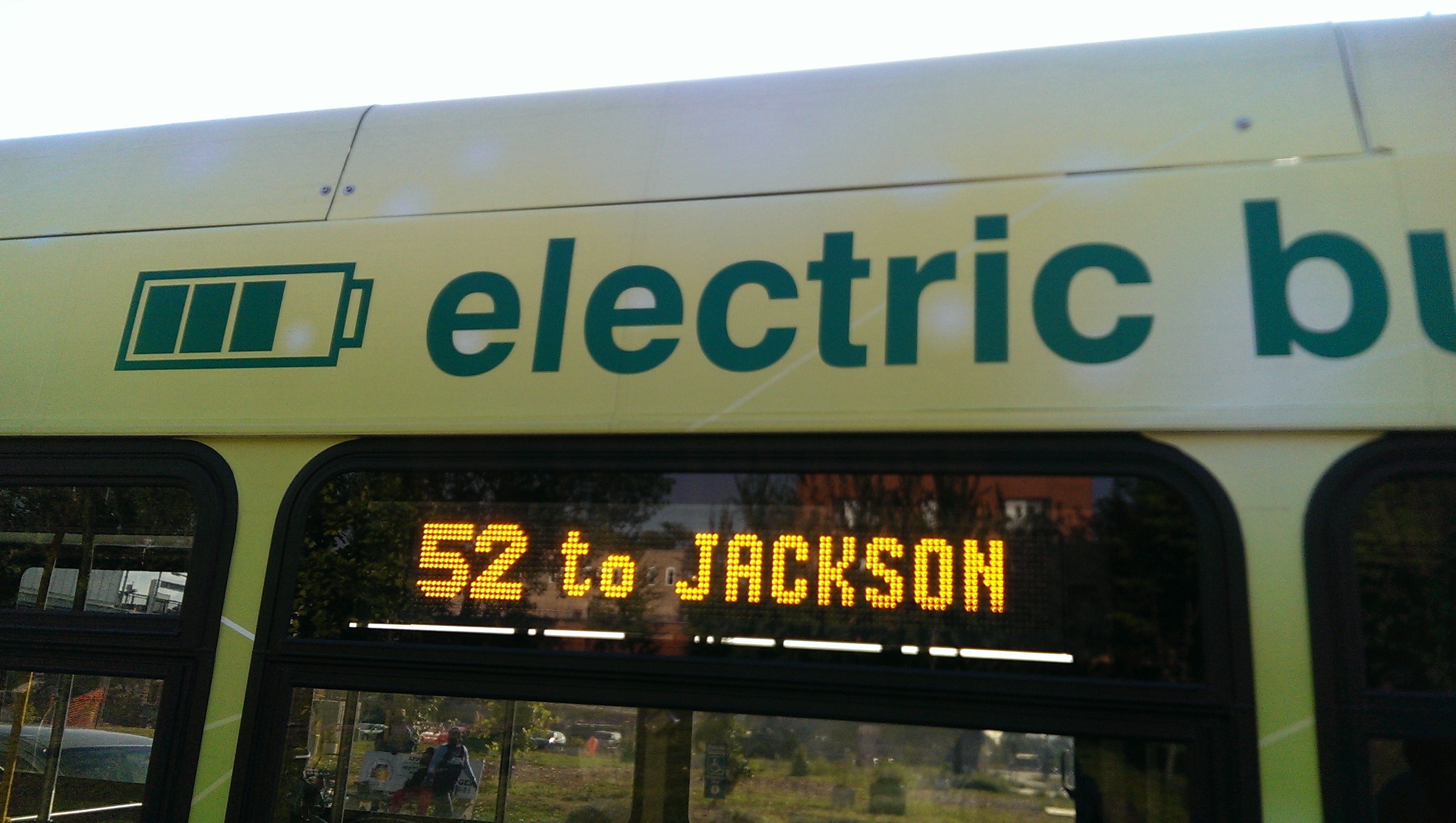
The CTA-700 buses are used across the city, including on Route 52, a route that takes riders through Northwest neighborhoods such as Logan Square to the heart of Chicago Lawn on the city's Southwest side. Photo by Gregory Hampton

The CTA-700 buses are used on routes such as Route 52, which takes riders through Northwest neighborhoods such as Logan Square to Chicago Lawn on the city’s Southwest side. Photo by Gregory Hampton.

Purchased through grant funding from the U.S Department of Transportation and the Chicago Metropolitan Agency for Planning, the electric buses are designed to save the city an average of $25,000 a year in fuel costs. In addition, each bus is expected to reduce carbon dioxide emissions by an average of 121 tons a year, which is the equivalent of emissions produced by 23 passenger vehicles (as calculated by an easy-to-use Emissions Calculator from the federal Department of Energy).

Even with the projected energy and emissions savings, the CTA has a long way to become the nation’s first public transit system completely dependent on all-electric buses. The two buses are just a snapshot of the 1,800 currently in the CTA fleet. In addition, plans for future CTA 700s may be dependent on data gathered from their performance in extreme weather conditions as a part of the CTA’s grant agreements. However, the buses are a major step in creating a more sustainable public transit system for the 2.7 million people that call the Windy City home.

MyCity: Baton Rouge

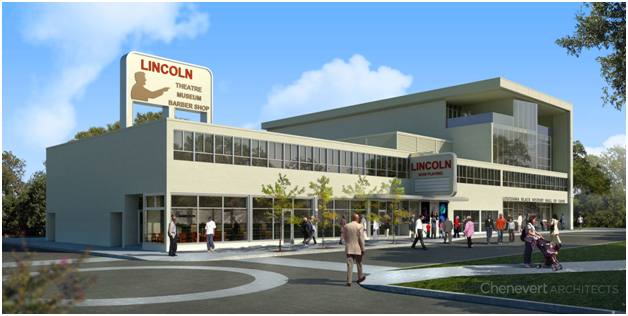
The Historic Lincoln Theater in Baton Rouge. Photo Credit to Chenevert Architects.

The Historic Lincoln Theater in Baton Rouge. Photo Credit to Chenevert Architects.

The next entry in our MyCity series is from Harold Dorrell Briscoe. A former community and economic development practitioner, Dorrell’s desire to get involved in public service led him to shape the revitalization of a major community in Baton Rouge, Louisiana.

“Since I was 16 years old, I dreamed of working in government and running for political office. For many years, I was very successful in the pursuit of that dream. I received my Bachelor of Arts in Political Science from the University of North Florida and an academic scholarship to attend the George H. W. Bush School of Government Public Service at Texas A&M University. I had the privilege of interacting with President Bush, various ambassadors, and distinguished faculty who have served this country and impacted the world. I graduated in May 2009 with a Masters degree in Public Administration.”

“I served as a project manager for the East Baton Rouge Redevelopment Authority (RDA) from 2009-2011. In that position, I oversaw the renovation process of the historic Lincoln Theater in Baton Rouge (a theater that Dr. Martin Luther King visited), the Land Banking program, and brought in over $2.5 million in one year through grants and tax credit programs.”

“While at the RDA my focus was on land banking in the revitalization of the Lincoln Theater. This process involved securing funding for revitalization, conducting environmental assessment of the property and surrounding area, create a design team, conduct a vicinity survey, and acquire real estate of surrounding area for further development. The RDA had special Authority from the Louisiana Legislature to expedite the process and quieting title to vacant and abandoned property in areas where economic and community improvement was badly needed. My role was to collect over 200 pieces of adjudicated property and lots, clear the title, and essentially give this property away to developers who were interested in revitalizing the area.”
After a massive fundraising and revitalization effort, the Lincoln Theater will reopen this weekend on Valentine's Day, Saturday, February 14th.

After a successful fundraising and revitalization effort, the Lincoln Theater will reopen this weekend on Valentine’s Day, Saturday, February 14th.

“The historic Lincoln Theater is strategically located to provide an economic and social stimulus within the Old South Baton Rouge community. Its’ structural integrity supports its candidacy for revitalization. However, identified environmental contaminates and dilapidation have revealed a need for complete renovation of the building and its surrounding area. The Louisiana Black History Hall of Fame (LBHHF) along with its acquired partners have requested financial assistance to complete the revitalization necessary to bring an iconic, historic building back to commerce.”
hdb2
Since his involvement in the project, the LBHHF and their partners completed a successful fundraising and renovation campaign and the Theater will reopen this weekend on Valentine’s Day, Saturday, February 14th. Currently living in Jacksonville, Florida, Dorrell, along with his wife Tracy, serves as the Young Professionals Pastor at Southpoint Community Church. Dorrell also is a Professor of Public Administration at the University of North Florida. For more information, visit Dorrell’s website.

Governments and Stadium Deals: The Cost of Keeping a Team at Home

Should governments get involved in the retention of professional sports teams? If so, what does that look like? And, what are taxpayers willing to support in order keep their favorite team in town?

Edwards Jones Stadium could spark the next government-financed stadium in the United States. Photo by Kelly Martin.

Edwards Jones Stadium could spark the next government-financed stadium in the United States. Photo by Kelly Martin.

These are some of the questions surrounding the current stadium situation of the National Football League’s (NFL) St. Louis Rams. Last week, the owner of the Rams Stan Kroenke announced plans to construct an 80,000 seat stadium suitable to host a NFL team in Inglewood, California. In a normal situation, this would have raised eyebrows considering the NFL’s long-standing desire to move a franchise to the Los Angeles area. However, the announcement comes as a warning to Rams fans and government officials as the team (who moved from Los Angeles in 1995) prepares to enter into a year-to-year lease of their current home Edward Jones Stadium. As a result, many in St. Louis and Missouri are looking to their leaders in government to for a new stadium deal that would keep the team in town.

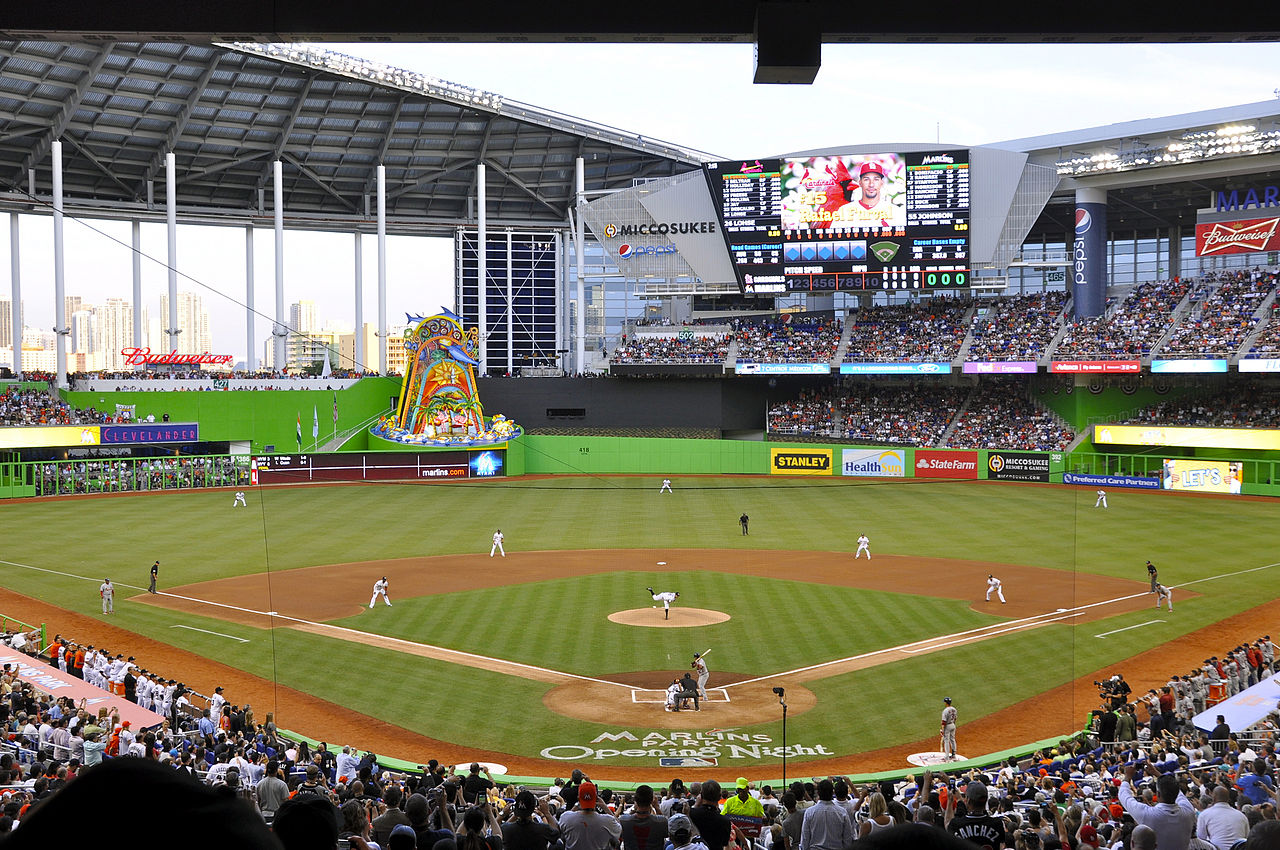
St. Louis would not be the first city to face a similar situation. In Miami, the Miami Marlins (formerly known as the Florida Marlins) played in Sun Life Stadium from 1993 to 2011. Originally designed to host football, Sun Life Stadium failed to meet the demands of Marlins ownership who wanted a baseball-only venue to call home. After a legal battle and successful lobbying effort, the Marlins moved to Marlins Park in 2012. Costing $639 million, Marlins Park was financed largely through taxpayer dollars.

Once seen as an exciting investment, Marlins Park may be more of a burden to Miami taxpayers than desired. Photo by Roberto Coquis.

Once seen as an exciting investment, Marlins Park may be more of a burden to Miami taxpayers than desired. Photo by Roberto Coquis.

The outcome of the stadium has been mixed at best. After opening to great crowds early in 2012, the Marlins weathered through a public relations nightmare. A losing season combined with the release of several high priced players and comments from manager Ozzie Guillen praising Fidel Castro (a cultural taboo in the Cuban stronghold of South Florida) led to dismal attendance in 2013. Add in a financing scheme that leaves Miami-Dade taxpayers responsible for an additional $1.18 billion in payments by 2042, and Marlins Park could end up being one of the worst government-involved stadium deals in history.

So far, city and state officials have pledged to do all they can to keep the Rams in St. Louis without increasing the tax burden on taxpayers. Yet, an proposed deal could still include a public investment of up to $535 million if all sides agree. In an era of tight budgets and increased demands on public services, it remains to be seen if taxpayers are willing to support such an investment to keep a team once known as “Greatest Show on Turf” from starting a new chapter out in California.

USF and Downtown Tampa: Signifying a New University Image

image

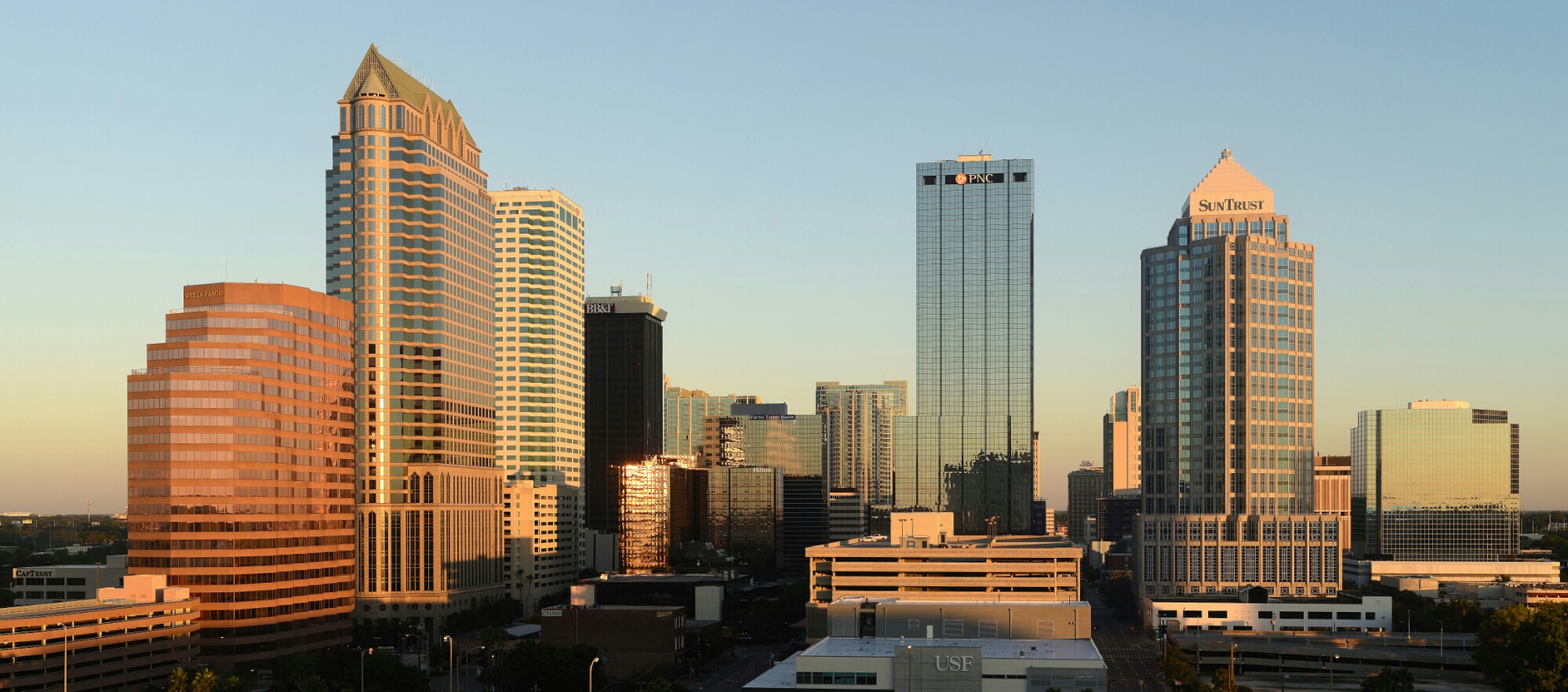
Could USF spark a transformation in Downtown Tampa? Photo by Joaquim Alves Gaspar.

When you think of a university, a number of images may immediately come to mind. Students rushing to class. Lecture halls filled with world-class professors. Rowdy crowds at football games. And, for many, a campus full of ivory towers separated from the fabric of the surrounding city.

Rendering of downtown Tampa redevelopment featuring USF. Photo Credit: Eric Younghans, USF Health Communications and Marketing

Rendering of downtown Tampa redevelopment featuring USF. Photo Credit: Eric Younghans, USF Health Communications and Marketing

Recently, many universities have sought to breakdown these images through economic and social investment in their cities. An example of this trend can be found in Tampa, Florida. Last month, the University of South Florida (USF), along with the City of Tampa and the NHL’s Tampa Bay Lighting, unveiled plans for a massive redevelopment project in downtown Tampa. The project would relocate the USF Health Morsani College of Medicine and USF Health Heart Institute from their current location on the main USF campus to the downtown Tampa area. The College of Medicine and Heart Institute would join Tampa General Hospital and the Center for Advanced Medical Learning and Simulation to create a medical industry hub. In addition to the hub, the redevelopment project would also bring new housing, retail, and office space to create a mixed-use, walkable community downtown. If successful, the downtown redevelopment could produce an economic impact of over $832 million for the state of Florida, according to USF President Judy Genshaft.
 
The ambitious project, which will take up to ten years to complete pending approval from the Florida Board of Governors, is a part of a larger trend nationally. During the last decade, universities such as Arizona State University in Phoenix, have begun to expand from their campus headquarters into their neighboring communities. From business corridors and innovation hubs to K-12 school and public health initiatives, universities are taking a more proactive role in shaping the opportunities for growth and advancement in their cities. If successful, projects such as the downtown Tampa redevelopment could revolutionize the way universities engage in shaping the future of their cities during the 21st Century.